Extreme fears and how to overcome them

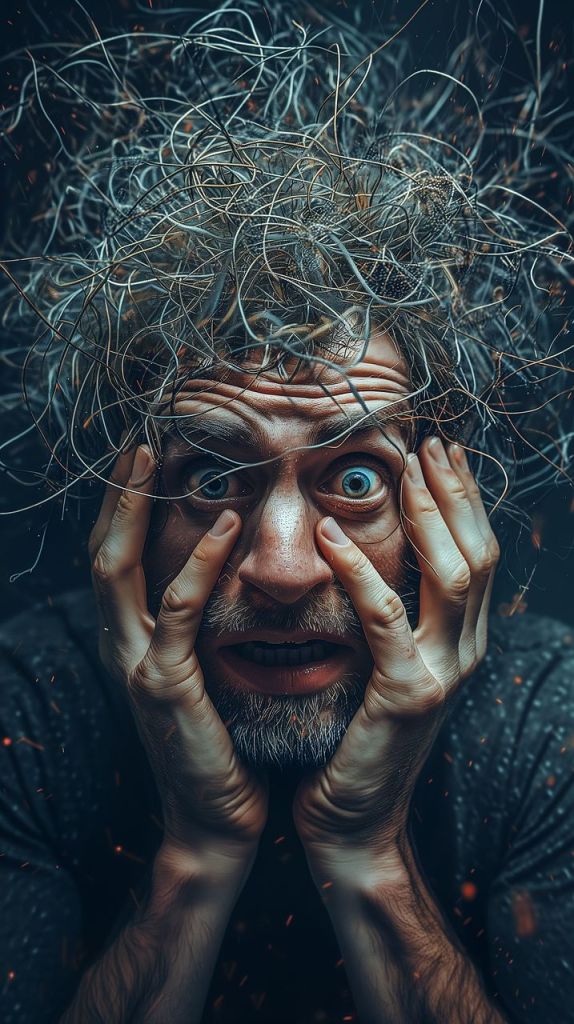
Phobias are intense, irrational fears of specific objects, situations, or activities that pose little to no actual danger. While most people experience fear or discomfort in certain situations, phobias are more severe and persistent, often causing individuals to go to great lengths to avoid their triggers.

Phobias can significantly impact daily life and mental health, but with proper treatment and support, they can be managed and even overcome.What is a Phobia?A phobia is classified as an anxiety disorder. It goes beyond normal fear and anxiety; phobias can cause a person to experience overwhelming panic or terror when faced with the source of their fear. People with phobias may be aware that their fear is irrational, but they feel powerless to control it.

The fear experienced during a phobic episode can lead to physical and emotional symptoms, such as sweating, shaking, rapid heartbeat, or even a panic attack.Phobias can be divided into three broad categories:Specific Phobias: These are fears related to specific objects or situations, such as spiders (arachnophobia), heights (acrophobia), or flying (aviophobia).
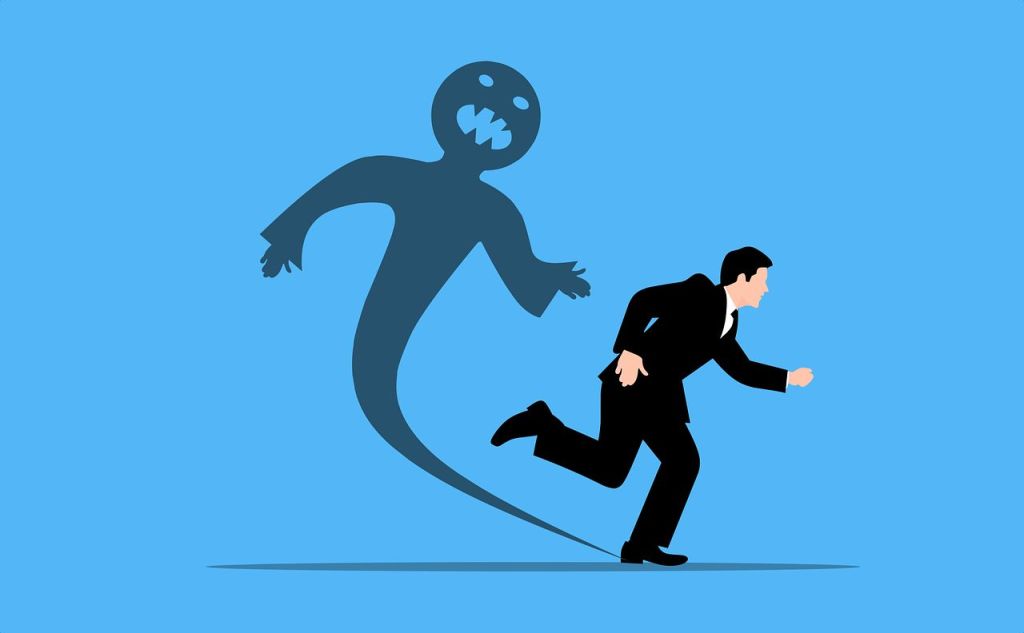
Social Phobia (Social Anxiety Disorder): This type involves an intense fear of social situations, where individuals fear being judged, embarrassed, or humiliated in public.

Agoraphobia: This involves a fear of situations where escape might be difficult or where help might not be available during a panic attack. It often leads to avoidance of public places or open spaces.

Common Types of PhobiasPhobias are highly individualized, and people can develop a fear of almost anything. However, some phobias are more common than others:Acrophobia (fear of heights): People with acrophobia may avoid tall buildings, mountains, or even staircases.
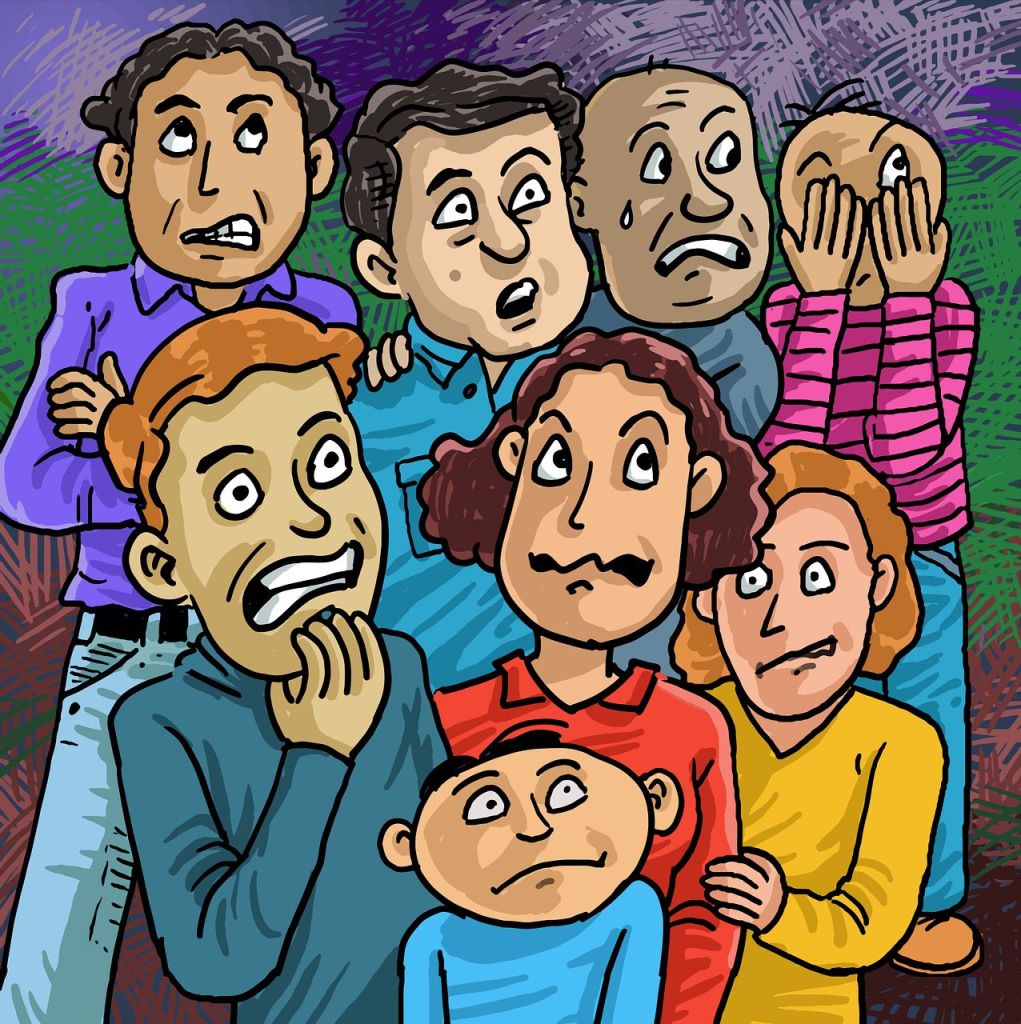
The fear can be so intense that it triggers dizziness or panic when looking down from a height.Claustrophobia (fear of confined spaces): Individuals with claustrophobia often fear elevators, small rooms, or crowded places. This fear can lead to avoidance of situations where they feel “trapped.”Arachnophobia (fear of spiders): One of the most well-known phobias, arachnophobia, can cause extreme distress at the sight or thought of spiders, even if they are harmless.

Trypanophobia (fear of needles): This is the fear of medical procedures involving injections or needles. For people with trypanophobia, even necessary medical treatment can be difficult or traumatic.

Bend towards happiness

Bend towards what deserves your space and time

Feel safe in the arms of true love

Download for free

Click the link below 👇

Bending towards love

Bend dont break love awaits
https://shorturl.at/qMtFu (canada)

https://shorturl.at/0xHxZ ( usa)

https://shorturl.at/QTMFQ (ng)

Ophidiophobia (fear of snakes): Similar to arachnophobia, ophidiophobia is an intense fear of snakes, often leading to an aversion to places where snakes might live.

Aviophobia (fear of flying): Many people experience discomfort with flying, but aviophobia is a more extreme fear that can prevent individuals from traveling by air entirely.

Social Phobia (social anxiety disorder): People with social phobia fear social situations where they may be scrutinized or judged by others. This can make everyday activities like attending school, work, or social gatherings challenging.

Causes of Phobias

Phobias can develop due to a combination of genetic, environmental, and psychological factors. The causes of phobias are complex and vary from person to person, but some common contributors include:Traumatic Experiences: A negative or frightening experience related to the object or situation may trigger a phobia. For example, being bitten by a dog as a child can lead to a lifelong fear of dogs.Learned Behavior: Children can develop phobias by observing the fears of others, especially parents or close family members.

If a parent has a strong fear of heights, for example, a child may develop the same fear.Genetic Predisposition: Some research suggests that phobias may run in families, indicating a genetic component. Individuals with a family history of anxiety or other mental health disorders may be more susceptible to developing phobias.

Brain Chemistry: Phobias are linked to the brain’s regulation of fear and anxiety. An imbalance in neurotransmitters or heightened activity in areas of the brain responsible for fear may contribute to the development of phobias.Childhood Development: Some phobias develop in early childhood and may be related to normal fears that have persisted into adulthood or have become exaggerated over time.

The disappearing dollar

Symptoms of Phobias

Phobias can produce both physical and emotional symptoms. These reactions occur when a person encounters the source of their fear or even anticipates being in a situation involving their phobia. Symptoms of phobia may include:Physical Symptoms:Rapid heartbeat or palpitationsShortness of breath or hyperventilationSweating or tremblingDizziness or lightheadednessNausea or upset stomachChest pain or tightnessChills or hot flashes

Emotional Symptoms:Intense feelings of dread or panicOverwhelming desire to escape or avoid the feared object or situationFeeling detached or “unreal”Loss of control or feeling powerlessAnticipatory anxiety (fear of encountering the phobia in the future)These symptoms can vary in intensity depending on the severity of the phobia and the proximity to the source of fear. In extreme cases, phobias can trigger panic attacks, where the fear becomes so intense that the individual feels as though they are in immediate danger.

Impact of Phobias on Daily LifePhobias can have a profound impact on a person’s quality of life. In severe cases, they can interfere with daily activities, work, school, and relationships. For example, someone with agoraphobia may avoid leaving their home, while a person with social phobia may withdraw from social situations, leading to isolation. Phobias can also cause individuals to miss out on opportunities, such as traveling, pursuing a career, or engaging in enjoyable activities.

The emotional toll of living with a phobia can lead to feelings of embarrassment, frustration, or hopelessness. Phobias are often misunderstood by others, which can result in a lack of support or understanding from family and friends.Treatment for PhobiasThe good news is that phobias are highly treatable.

Many individuals can manage or even overcome their phobias with professional help. Some of the most effective treatments include:Cognitive Behavioral Therapy (CBT): CBT is one of the most widely used therapies for treating phobias. It helps individuals identify and change negative thought patterns and behaviors that reinforce their fears. Through gradual exposure to the feared object or situation, individuals can learn to confront their phobias in a controlled, supportive environment.

Exposure Therapy: This form of therapy involves gradually exposing the individual to their fear in a safe and controlled setting. The goal is to desensitize them to the source of fear, reducing their anxiety over time. Exposure therapy is often used as part of CBT and can be highly effective for specific phobias.

Medication: In some cases, medications such as antidepressants or anti-anxiety drugs may be prescribed to help manage the symptoms of phobias. While medication is not a cure, it can provide relief from severe anxiety and panic, making therapy more effective.

Relaxation Techniques: Techniques such as deep breathing, meditation, and mindfulness can help individuals manage the physical symptoms of anxiety and panic attacks triggered by phobias.

Support Groups: Connecting with others who have similar experiences can provide emotional support and reduce feelings of isolation. Sharing coping strategies and learning from others can also be helpful in managing phobias.

Overcoming Phobias: Hope and ResilienceLiving with a phobia can be challenging, but it’s important to remember that you’re not alone, and help is available. With the right combination of therapy, support, and self-care, many people are able to conquer their fears and lead fulfilling lives.

Early intervention is key, so if a phobia is affecting your daily life, seeking professional help is the first step toward overcoming it.While facing your fears may seem daunting, the journey to overcoming a phobia often leads to greater confidence, resilience, and a sense of empowerment.

Conclusion

Phobias are intense fears that can disrupt lives and cause significant distress, but they are highly treatable. Whether a person is dealing with a specific phobia or a more complex condition like social anxiety or agoraphobia, the path to recovery starts with understanding and confronting the fear. With the right support and treatment, individuals can break free from the grip of phobias and regain control over their lives.


The threats, causes and global impact of terrorism

Terrorism is a complex and multifaceted issue that has far-reaching consequences for societies, governments, and individuals worldwide.

It involves the use of violence, intimidation, and fear to achieve political, religious, or ideological goals. Acts of terrorism often target civilians and non-combatants, aiming to create chaos and instill fear in the broader population.

Over the years, terrorism has evolved in both scale and method, posing a persistent threat to global security.What is Terrorism?Terrorism can be broadly defined as the use of unlawful violence and threats to create fear, often for the pursuit of political aims.

It differs from other forms of violence due to its intent to influence an audience beyond the immediate victims. Terrorist acts are generally carried out by individuals or groups, although in some cases, state-sponsored terrorism occurs when governments support or engage in terrorist activities.

The tactics used in terrorism can include bombings, assassinations, kidnappings, cyberattacks, and mass shootings. While the specific objectives may vary, terrorism is often aimed at achieving political change, spreading ideology, or drawing attention to a cause through high-profile acts of violence.

Causes of TerrorismUnderstanding the root causes of terrorism is critical in addressing and preventing it. Terrorism can stem from a variety of political, economic, social, and psychological factors.

Echoes of the inner truth

Political Grievances: Many terrorist movements are motivated by political discontent. Groups may feel marginalized, oppressed, or disenfranchised by their government or political system. These grievances can lead to radicalization and the pursuit of violent means to achieve political autonomy, independence, or regime change.

You seek for priceless love

Look no further. Download this book for free

Click the link

Love dont cost a Thing
https://shorturl.at/xrkb4 canada
https://shorturl.at/ERKYW usa

https://shorturl.at/celV4 ngn

Religious Extremism: Religious ideologies are sometimes used to justify terrorist acts, particularly by groups that interpret religious teachings in a way that promotes violence against non-believers or those who oppose their views. Islamist extremist groups like Al-Qaeda and ISIS are examples of organizations that have carried out terrorism under the guise of religious duty.

Economic Inequality: Economic disparities and poverty can contribute to the rise of terrorism. In regions where people struggle to meet their basic needs or lack access to opportunities, terrorist groups may exploit these conditions by offering financial incentives or a sense of purpose to vulnerable individuals.

Social and Cultural Marginalization: In societies where certain groups face social exclusion, discrimination, or alienation, there is an increased risk of radicalization.

These individuals may turn to terrorism as a form of protest against perceived injustices or as a means to assert their identity.

Psychological Factors: While ideology plays a significant role in terrorism, psychological factors, such as a desire for revenge, a need for belonging, or a quest for significance, can drive individuals to commit violent acts. Personal trauma, humiliation, or perceived threats to one’s identity can also lead to radicalization.

Globalization and Technology: Modern technology, particularly the internet and social media, has facilitated the spread of extremist ideologies and allowed terrorist groups to recruit members globally. The ability to disseminate propaganda quickly and anonymously has significantly expanded the reach and influence of terrorist organizations.

Types of TerrorismThere are several types of terrorism, each driven by different ideologies and objectives:Political Terrorism: This type of terrorism is aimed at overthrowing or destabilizing a government, often through acts that incite fear and undermine public confidence in the state. Revolutionary terrorism seeks to bring about radical political change, while nationalist terrorism is driven by the desire for independence or autonomy for a specific ethnic or national group.

Religious Terrorism: Religious terrorism is motivated by interpretations of religious doctrines that justify violence against non-believers or perceived enemies of the faith. Groups like ISIS and Boko Haram engage in acts of terrorism under the banner of Islam, while other extremist groups may base their actions on different religions.State-Sponsored Terrorism: In some cases, governments support or orchestrate acts of terrorism to further their political objectives. These acts can be carried out either directly by state actors or indirectly through proxy groups that receive financial, logistical, or military support from a government.Right-Wing and Left-Wing Terrorism: Ideologically motivated terrorism can also be driven by extreme political beliefs. Right-wing terrorism often involves neo-Nazi or white supremacist groups, while left-wing terrorism may involve anarchist or Marxist groups.

Both types of terrorism aim to impose their ideologies through violence.Cyberterrorism: With the increasing reliance on digital infrastructure, cyberterrorism has emerged as a growing threat. Cyberterrorists use technology to carry out attacks on critical infrastructure, financial systems, or government institutions.

These attacks can cause widespread disruption and fear, even without physical violence.Global Impact of TerrorismTerrorism has profound and wide-reaching consequences for societies, affecting not only the immediate victims but also national and international stability.

Some of the key impacts of terrorism include:Human Suffering: Terrorist attacks often result in tragic loss of life and physical and psychological trauma for survivors. Beyond the immediate victims, entire communities can be affected by fear, anxiety, and grief.

Economic Consequences: The economic cost of terrorism is substantial, including the destruction of infrastructure, loss of business, and increased government spending on security and counterterrorism measures. Tourism, trade, and investment can also suffer in regions plagued by terrorism.

Political Instability: Terrorism can undermine trust in governments and political institutions, especially if the state is perceived as being unable to protect its citizens. In extreme cases, sustained terrorist activity can contribute to the collapse of governments or the rise of authoritarian regimes as a response to insecurity.

Social Division: Terrorism often exploits or exacerbates existing social and cultural divisions, leading to increased polarization, xenophobia, and hate crimes. In the aftermath of terrorist attacks, communities may become more divided, and individuals from certain ethnic or religious groups may face increased suspicion and discrimination.

Global Security: In an interconnected world, terrorism is not confined to national borders. International terrorist networks like Al-Qaeda and ISIS have demonstrated the ability to carry out attacks across multiple countries, requiring global cooperation in intelligence-sharing, security, and counterterrorism efforts.

Counterterrorism EffortsAddressing terrorism requires a multifaceted approach that involves both short-term and long-term strategies. Some of the key components of counterterrorism include:Military and Security Measures: Governments often respond to terrorism with military force or law enforcement actions aimed at neutralizing terrorist threats. These efforts include surveillance, intelligence-gathering, and targeted strikes against terrorist leaders and infrastructure.

Legal and Judicial Responses: Many countries have enacted anti-terrorism laws that criminalize terrorism and provide legal tools for prosecuting those involved in terrorist activities.

International cooperation is also essential in extraditing terrorists and disrupting global networks.Prevention and Counter-Radicalization: Preventing terrorism requires addressing its root causes, including economic inequality, political grievances, and social exclusion. Counter-radicalization programs aim to intervene before individuals become involved in terrorism by promoting education, dialogue, and community engagement.

Diplomatic and International Cooperation: No country can fight terrorism alone. International organizations such as the United Nations, NATO, and the European Union play a crucial role in coordinating global counterterrorism efforts, sharing intelligence, and imposing sanctions on countries that sponsor terrorism.

Conclusion

Terrorism remains one of the most pressing global challenges of our time. Its causes are deeply intertwined with political, social, and economic factors, making it a complex problem that requires a multifaceted response. While the threat of terrorism cannot be entirely eliminated, effective counterterrorism strategies, international cooperation, and efforts to address underlying grievances can help reduce the frequency and impact of terrorist attacks.Preventing terrorism is not just about enhancing security but also about building more inclusive, just, and stable societies. Understanding the root causes of terrorism and addressing them through education, diplomacy, and development are key steps toward a safer world.

Oil spillage: causes, effects,and solutions

Oil spills are one of the most devastating environmental disasters, causing widespread harm to marine ecosystems, coastal areas, and communities dependent on the sea. These incidents involve the release of crude oil or other petroleum products into the environment, primarily the oceans, due to accidents or negligence.

The consequences of oil spills can last for years, as they severely affect marine life, human health, and local economies. Addressing oil spills requires a comprehensive approach involving prevention, immediate response, and long-term environmental rehabilitation.

Causes of Oil SpillsOil spills can happen for various reasons, ranging from human error to natural disasters.

Some of the most common causes include:Tanker and Ship Accidents: The transportation of oil by sea is one of the leading causes of large-scale spills.

When oil tankers or cargo ships experience collisions, groundings, or other accidents, they can rupture and release massive quantities of oil into the water. Notable incidents like the Exxon Valdez spill in 1989 and the Deepwater Horizon disaster in 2010 illustrate the catastrophic consequences of tanker and drilling accidents.

Love is not for sale

Download for free if you know love is beyond price.

Love dont cost a Thing
https://shorturl.at/xrkb4 canada
https://shorturl.at/ERKYW usa

https://shorturl.at/celV4 ngn

Offshore Drilling: Oil exploration and extraction in offshore environments can lead to spills when blowouts, leaks, or mechanical failures occur. The Deepwater Horizon oil spill, the largest in U.S. history, was caused by a blowout in an offshore drilling rig, releasing millions of barrels of oil into the Gulf of Mexico.

Pipeline Leaks: Pipelines that transport oil across land or underwater are susceptible to corrosion, cracks, and breaks. Even small leaks in oil pipelines can result in significant spillage over time, affecting large areas of land and sea.

Natural Disasters: Hurricanes, earthquakes, and other natural disasters can damage oil infrastructure, leading to leaks and spills. In areas prone to these events, oil storage facilities, refineries, and pipelines are particularly vulnerable.

Operational Mistakes and Human Error: Mistakes during the loading and unloading of oil, or improper maintenance of equipment, can lead to accidental spills. Human error remains a key factor in many oil spill incidents.

Illegal Dumping: In some cases, companies or individuals may illegally dump oil waste into bodies of water to avoid disposal costs. This deliberate action can cause localized environmental damage and harm to marine ecosystems.

Effects of Oil SpillsOil spills have far-reaching and long-lasting effects on the environment, wildlife, and human communities. The impacts can be devastating and difficult to reverse.

Environmental Impact:Harm to Marine Life: When oil spills into the ocean, it spreads across the water’s surface, forming a thick, toxic layer. Marine animals like fish, birds, and mammals can suffer from direct exposure to oil, which coats their bodies and disrupts their natural insulation, buoyancy, and ability to hunt.

Birds and marine mammals, such as otters and seals, are particularly vulnerable to hypothermia as oil strips away the insulating properties of their feathers or fur.Destruction of Habitats: Oil can seep into coastal ecosystems like mangroves, coral reefs, and wetlands. These habitats are vital breeding grounds and shelters for marine species. The toxic components of oil can disrupt plant life, coral structures, and the overall biodiversity of affected areas.

Toxicity: Oil contains harmful chemicals, including benzene, toluene, and polycyclic aromatic hydrocarbons (PAHs), which can poison marine organisms. Fish and invertebrates exposed to these toxins may suffer from long-term health problems

Understanding Bulimia: Causes, Symptoms, and Treatment

Bulimia nervosa, commonly referred to as bulimia, is a serious eating disorder characterized by a cycle of binge eating followed by compensatory behaviors such as purging, fasting, or excessive exercise.

People with bulimia often feel trapped in a cycle of guilt, shame, and fear surrounding food and their body image. While bulimia is a mental health disorder, it has significant physical, emotional, and social consequences.

Love yourself, enjoy healthy relationships

Download for free

Love dont cost a Thing
https://shorturl.at/xrkb4 canada
https://shorturl.at/ERKYW usa

https://shorturl.at/celV4 ngn

However, with the right treatment and support, recovery is possible.

What is Bulimia?Bulimia nervosa involves repeated episodes of binge eating—consuming large quantities of food in a short period—followed by unhealthy efforts to prevent weight gain. These efforts may include vomiting, taking laxatives, fasting, or engaging in intense exercise. The cycle of bingeing and purging can cause serious health complications, both physically and emotionally.People with bulimia often feel out of control during binge episodes and may experience overwhelming feelings of guilt or disgust afterward, prompting them to “undo” the perceived damage through purging. This condition is not just about food; it’s deeply connected to issues of body image, self-esteem, and emotional regulation.

Causes of BulimiaThe exact cause of bulimia is not known, but like other eating disorders, it arises from a combination of genetic, psychological, and environmental factors. Some of the key influences include:Cultural Pressure: Society often promotes unrealistic standards of beauty, equating thinness with success, happiness, and self-worth. The pressure to achieve an “ideal” body can contribute to unhealthy eating behaviors.Body Image Issues: Many individuals with bulimia have a distorted body image, often seeing themselves as overweight even when they are not. This distorted self-perception fuels the desire to lose weight through dangerous behaviors.Emotional and Psychological Factors: Depression, anxiety, and low self-esteem are common among individuals with bulimia. Some people may use bingeing and purging as a way to cope with negative emotions, stress, or trauma.Family Dynamics: Certain family patterns, such as overly controlling or critical parents, or a family history of eating disorders, can contribute to the development of bulimia.Biological Factors: Genetics play a role, and individuals with a family history of eating disorders may be at higher risk. Additionally, chemical imbalances in the brain related to appetite, stress, and mood regulation may also be factors.

Symptoms of BulimiaBulimia symptoms can be both physical and emotional. Often, individuals with bulimia try to hide their behaviors due to feelings of shame, making it difficult to detect.

However, some common signs of bulimia include:Behavioral Symptoms:Binge Eating: Consuming unusually large amounts of food in a short time, often in secret, and feeling out of control during these episodes.

Purging Behaviors: Engaging in activities such as self-induced vomiting, misuse of laxatives, diuretics, or enemas, or excessive exercise to prevent weight gain.Preoccupation with Weight: Constant worry about body shape, weight, and dieting. People with bulimia may frequently check their weight or obsess over food and calories.

Avoidance of Meals: Avoiding eating in public or making excuses to skip meals, often to hide bingeing and purging behaviors.

Physical Symptoms:Dental Problems: Frequent vomiting can lead to enamel erosion, tooth decay, and gum disease due to stomach acid.

Swollen Cheeks or Jaw: Repeated vomiting can cause swelling around the face and jawline.Chronic Sore Throat: The acid from frequent vomiting can irritate the throat, leading to chronic soreness or inflammation.Gastrointestinal Issues: Individuals with bulimia may experience bloating, constipation, or stomach cramps, especially if they misuse laxatives or diuretics.

Dehydration and Electrolyte Imbalance: Purging can lead to severe dehydration and imbalances in vital electrolytes like potassium, sodium, and chloride, which can result in serious heart complications.

Emotional Symptoms:Guilt and Shame: People with bulimia often feel extreme guilt, shame, or embarrassment about their eating behaviors and go to great lengths to keep them secret.Mood Swings: The cycle of bingeing and purging can lead to dramatic shifts in mood, irritability, and depression.Loss of Control: Individuals with bulimia may feel as though they have no control over their eating behaviors and are trapped in a destructive cycle they cannot escape.

Health Risks of BulimiaBulimia has serious short- and long-term health consequences. Over time, it can lead to:Heart Problems: Electrolyte imbalances caused by purging can result in irregular heartbeats, heart failure, or sudden death.Digestive Issues: Repeated vomiting and laxative abuse can damage the digestive system, leading to chronic constipation, acid reflux, or ruptures in the esophagus.

Kidney Damage: Dehydration and the misuse of diuretics can cause kidney damage or failure.Nutritional Deficiencies: Purging can prevent the body from absorbing essential nutrients, leading to deficiencies, weakness, and a weakened immune system.Mental Health Disorders: Many individuals with bulimia also suffer from co-occurring mental health issues, such as depression, anxiety, or substance abuse.

Seeking Help for Bulimia

While bulimia is a serious condition, recovery is possible with the right treatment and support. Early intervention is critical to preventing long-term damage and improving outcomes.

Psychotherapy: Cognitive-behavioral therapy (CBT) is one of the most effective treatments for bulimia. It helps individuals identify and change unhealthy patterns of thinking and behavior related to food, body image, and self-worth. Other therapeutic approaches, such as interpersonal therapy (IPT), can also help individuals address underlying emotional and relational issues.

Nutritional Counseling: Working with a registered dietitian can help individuals develop a healthier relationship with food, learn balanced eating habits, and understand proper nutrition.

Medical Monitoring: Regular medical check-ups are essential to monitor the physical consequences of bulimia, such as electrolyte imbalances, heart health, and digestive issues.

In severe cases, hospitalization may be necessary.Medications: Antidepressants, particularly selective serotonin reuptake inhibitors (SSRIs), may be prescribed to help reduce binge-purge cycles and treat co-occurring depression or anxiety.

Support Groups: Joining a support group or working with a therapist can provide individuals with a safe space to share their experiences and connect with others who are going through similar struggles.

Recovery and HopeRecovery from bulimia is a gradual process that requires time, patience, and the right support. It involves addressing the root causes of the disorder, building healthier coping mechanisms, and developing a more positive body image. Family and friends play an essential role in the recovery process by offering non-judgmental support, understanding, and encouragement.

While relapses can occur, many individuals with bulimia go on to lead healthy, fulfilling lives with the proper treatment and a strong support system.

Conclusion

Bulimia is a complex and serious eating disorder with wide-ranging physical and emotional consequences.

However, with early intervention and the right treatment, recovery is possible. If you or someone you know is struggling with bulimia, seeking professional help is the first step toward healing. With compassion, understanding, and support, those affected by bulimia can break the cycle and regain control over their lives.

If you or someone you know is struggling with bulimia or any other eating disorder, it’s important to seek help from a medical professional, therapist, or support organization specializing in eating disorders.

Yoga Woes: A Poem of Twists and Turns

In a room of calm, with candles aglow,
I thought, “How hard could this yoga go?”
With mats on the floor and a peaceful hum,
I braced myself for what was to come.

Bending towards love

Bend towards love

You can always rely on the catch

Download for free

Bend dont break love awaits
https://shorturl.at/qMtFu (canada)

https://shorturl.at/0xHxZ ( usa)

https://shorturl.at/QTMFQ (ng)

The instructor said, “Let’s start with a pose,
Just touch your toes—everyone knows!”
But my body, oh dear, had another plan,
It creaked and it groaned—I’m just a stiff man!”Now downward dog,” she said with a grin,
But my arms gave out before I could begin.
My dog looked on, with pity in his eyes,
As I sprawled on the mat, staring at the skies.”Warrior Two,” she chanted with glee,
But I wobbled and wavered like a wind-blown tree.
My legs shook like jelly, my balance was shot,
I crashed to the floor—no graceful yogi I’m not!”Relax in child’s pose,” the instructor advised,
Finally, a move where I’d not be despised!
I nestled down low, feeling rather pleased,
But then I got stuck—someone call the police!As class wound down with a quiet “Namaste,”
I sighed with relief, “I survived the day!”
But as I stood up, my back gave a pop,
And I realized with dread, the pain wouldn’t stop.So here’s to yoga, that twisty, bendy art,
It’s more of a challenge than I thought at the start!
But through all the aches and the groans and the moans,
I’ll keep coming back—just to hear my bones groan!

Understanding Depression: Symptoms, Causes, and Ways to Seek Help

Depression is a serious mental health condition that affects millions of people worldwide. It goes beyond the typical sadness or “feeling down” and can have profound impacts on a person’s emotions, thoughts, and daily functioning.

While it can affect anyone at any point in life, depression is often misunderstood, leading to stigma and isolation for those experiencing it. Understanding the condition, recognizing its symptoms, and knowing how to seek help are crucial steps toward managing depression and improving mental well-being.

What is Depression?Depression, also known as major depressive disorder (MDD), is a mental health condition characterized by persistent feelings of sadness, hopelessness, and a loss of interest in activities once enjoyed. It is more than just a fleeting period of sadness; it can last for weeks, months, or even years without proper treatment.

Depression affects how a person feels, thinks, and handles daily tasks, and it can interfere with work, relationships, and overall health.

Symptoms of DepressionThe symptoms of depression can vary from person to person, but the most common signs include:Persistent Sadness or Emptiness: Feeling sad or empty for most of the day, nearly every day, even when there seems to be no specific cause for these feelings.

Free download

Bending towards love

Bend dont break love awaits
https://shorturl.at/qMtFu (canada)

https://shorturl.at/0xHxZ ( usa)

https://shorturl.at/QTMFQ (ng)

Loss of Interest in Activities: A decreased interest or pleasure in activities once enjoyed, including hobbies, socializing, or even simple daily tasks.

Changes in Appetite or Weight: Significant weight loss or gain unrelated to dieting, or a noticeable change in appetite (either eating too much or too little).

Equality in earnings

Sleep Disturbances: Trouble sleeping, including insomnia or oversleeping, is a common symptom. People with depression may feel fatigued despite getting enough rest.Fatigue or Loss of Energy: A lack of energy and constant tiredness can make even small tasks feel overwhelming.

Feelings of Worthlessness or Guilt: Intense feelings of guilt or worthlessness, often related to past actions or perceived failures.Difficulty Concentrating: Trouble focusing, making decisions, or remembering details can interfere with work or personal responsibilities.Physical Aches and Pains: Depression can manifest physically, causing headaches, digestive problems, or unexplained aches and pains.

Thoughts of Death or Suicide: In severe cases, depression can lead to thoughts of death, dying, or suicide. It is important to take any talk of suicide seriously and seek immediate help if someone is at risk.

Causes of DepressionDepression does not have a single cause; it often results from a combination of biological, psychological, and environmental factors.

Genetics: A family history of depression or other mental health disorders can increase the likelihood of developing depression.Brain Chemistry: Imbalances in neurotransmitters (brain chemicals such as serotonin and dopamine) play a significant role in regulating mood.

These imbalances can lead to depression.Hormonal Changes: Hormonal shifts, such as those that occur during pregnancy, postpartum, menopause, or thyroid issues, can trigger depression.

Trauma and Stress: Life events such as the death of a loved one, abuse, financial problems, or job loss can contribute to depression. Ongoing stress, particularly if it goes unmanaged, can also heighten the risk.

Chronic Illness or Pain: People dealing with chronic physical conditions such as cancer, heart disease, or chronic pain are more likely to experience depression, especially if their condition leads to isolation or diminished quality of life.

Substance Abuse: Alcohol and drug use can contribute to or worsen depressive symptoms. In some cases, people with depression may turn to substances to cope with their feelings, which can create a vicious cycle of worsening symptoms.

Types of DepressionThere are several types of depression, each with unique characteristics:Major Depressive Disorder (MDD): The most common form, characterized by severe, long-lasting symptoms that interfere with daily life.

Persistent Depressive Disorder (PDD): A milder form of depression that lasts for two years or more. It’s also known as dysthymia and is often less intense but can have a profound impact over time.

Postpartum Depression: A form of depression that occurs after childbirth, affecting a mother’s ability to care for herself and her baby.Seasonal Affective Disorder (SAD): Depression that occurs during certain seasons, often during winter months when there is less natural sunlight.Bipolar Disorder: While not a form of depression, bipolar disorder involves episodes of depression along with periods of mania or elevated mood.

Seeking Help and Treatment for DepressionDepression is treatable, and with the right combination of approaches, individuals can manage their symptoms and regain a sense of well-being.

Treatment often involves one or more of the following:Therapy: Cognitive-behavioral therapy (CBT), interpersonal therapy (IPT), and psychodynamic therapy are common forms of talk therapy used to treat depression.

Therapy helps individuals understand their thoughts, emotions, and behaviors, and provides coping mechanisms to manage their symptoms.Medication: Antidepressants, particularly selective serotonin reuptake inhibitors (SSRIs) like Prozac or Zoloft, are often prescribed to help regulate mood.

Medications work differently for everyone, and finding the right one may take time.Lifestyle Changes: Regular exercise, a healthy diet, and adequate sleep can improve mood and overall mental health. While these changes alone may not cure depression, they are important for maintaining long-term well-being.

Support Systems: Building a strong support network of friends, family, or support groups can make a significant difference. People with depression benefit from feeling understood, supported, and not alone.Mindfulness and Stress Reduction: Practices such as meditation, yoga, and deep breathing exercises can help reduce stress and improve emotional regulation, helping individuals manage their depression.

Electroconvulsive Therapy (ECT): In severe cases where other treatments have not been effective, ECT may be recommended. This procedure involves electrical stimulation of the brain to relieve depressive symptoms.Removing the StigmaUnfortunately, depression is still surrounded by stigma, which prevents many individuals from seeking help. Depression is a medical condition, not a personal failing or weakness. Raising awareness about depression and promoting open conversations can reduce the stigma and encourage more people to seek the treatment they need.

Conclusion

Depression is a serious mental health condition, but it is treatable with the right combination of therapy, medication, and lifestyle adjustments.

Understanding the symptoms and causes of depression is the first step in helping yourself or a loved one who may be struggling. If you or someone you know is experiencing depression, it’s essential to reach out to a mental health professional. With support, people can manage their depression and regain control of their lives.

Understanding Suicide: Causes, Prevention, and Hope

Suicide is a tragic and complex issue that affects millions of people worldwide. It leaves families, friends, and communities devastated, often questioning what could have been done to prevent such a heartbreaking act. While suicide is an intensely personal decision, it is influenced by various external and internal factors that intertwine mental health, societal pressures, and individual circumstances.

Causes of SuicideThere is no singular cause of suicide; instead, it arises from a combination of factors. Some of the most common causes include:Mental Health Disorders: Conditions like depression, bipolar disorder, schizophrenia, and anxiety disorders are major contributors. When left untreated, these mental health issues can create a sense of hopelessness, making individuals feel trapped with no way out.Trauma and Abuse: Childhood trauma, sexual abuse, domestic violence, or emotional neglect can have long-lasting effects, leading to feelings of worthlessness and despair.

Individuals who experience such events are at higher risk for suicidal ideation.Social Isolation: Loneliness and a lack of social support often exacerbate suicidal thoughts. People who feel disconnected from others may believe that their lives have no purpose or meaning.Financial and Work-related Stress: The pressures of unemployment, overwhelming debt, or workplace issues can drive individuals into severe stress, contributing to their vulnerability.Relationship Problems: Divorce, breakups, or unrequited love can also act as catalysts. Losing a partner or enduring toxic relationships can make someone feel emotionally stranded and hopeless.

The essence of self

Physical Health Conditions: Chronic illness, disability, or intense pain may push someone to contemplate suicide, especially if they feel their condition will never improve.

Warning SignsRecognizing the signs of suicidal thoughts can save lives. While not everyone exhibits clear indicators, there are some common behaviors that may suggest someone is considering suicide:Talking About Death: Comments like “I wish I were dead,” or “Life isn’t worth living” should never be taken lightly.Isolation: Withdrawing from friends, family, and activities they once enjoyed can be a red flag.Risky Behavior: Engaging in reckless acts, such as driving dangerously, using drugs, or excessive drinking, may signal a lack of concern for life.

Love dont cost a Thing
https://shorturl.at/xrkb4 canada
https://shorturl.at/ERKYW usa

https://shorturl.at/celV4 ngn

Sudden Calmness: If someone who has been deeply depressed suddenly appears calm or happy, it could indicate that they’ve made a decision to end their life.Giving Away Possessions: A person preparing for suicide may begin distributing their belongings or settling affairs.

Preventing Suicide

Suicide prevention is a collective responsibility. It requires awareness, compassion, and early intervention.Promote Open Conversations: Encourage people to talk openly about their feelings. Many individuals contemplating suicide feel ashamed or are afraid to burden others with their thoughts. Creating a supportive environment where they feel comfortable sharing their struggles can make all the difference.

Access to Mental Health Resources: Ensuring that individuals have access to therapists, counselors, and mental health hotlines is crucial. Professional help can provide individuals with the tools they need to cope with their emotions.Check-in on Loved Ones: Simple acts of kindness, like asking how someone is doing or spending time with them, can make them feel valued and supported.

Encourage Healthy Coping Mechanisms: Exercise, mindfulness, journaling, and engaging in hobbies can help people manage stress and improve their mental well-being.

Remove Access to Lethal Means: For individuals at high risk, it’s essential to reduce their access to methods of suicide, such as firearms or medication.Normalize Seeking Help: Society must break the stigma surrounding mental health. Seeking therapy or counseling should be viewed as a strength, not a weakness.Hope and RecoveryWhile suicide is a profound tragedy, hope remains. People who experience suicidal thoughts can recover with the right support, treatment, and coping strategies. Survivors often go on to lead fulfilling lives after finding the help they need.If you or someone you know is struggling with thoughts of suicide, remember that help is available. Reaching out to a counselor, hotline, or even a friend can be the first step toward healing. It’s vital to remind those at risk that they are not alone and that their lives are worth fighting for.ConclusionSuicide is preventable, but it requires understanding, empathy, and action. By addressing the root causes, recognizing warning signs, and providing access to mental health care, society can offer hope to those in need. Everyone has a role in preventing suicide, from friends and family to healthcare professionals and community leaders. Together, we can save lives.

The Wage Gap: Why Your Paycheck Might Be Shrinking

If you’ve ever wondered why your paycheck looks like it’s been through a shredder, you’re not alone. Welcome to the world of the wage gap, where discrepancies in earnings are as common as bad coffee at office meetings. Let’s dive into the hilarious chaos of how wages can be so varied, you’d think we were all working for different currencies!

Love dont cost a Thing
Free download
https://shorturl.at/xrkb4 canada
https://shorturl.at/ERKYW usa
https://shorturl.at/celV4 ngn

1. The Case of the Mysterious PaycheckImagine this: You and your coworker, Bob, are both working as “Junior Data Analysts.” Bob’s paycheck is the size of a modest house, while yours barely covers a coffee habit. When asked about it, Bob just shrugs and says, “Oh, I guess my job’s more junior than yours!” In a shocking twist, it turns out Bob’s job title is code for “Secretly a Superhero” and his secret power is negotiating pay raises like a boss (pun intended).

2. The Great Gender Pay DiscrepancyLet’s talk gender pay gaps—where women’s earnings might make you think they’re working in a different dimension. Imagine if the wage gap were a sport. Men would be playing in the big leagues while women are stuck in the kiddie pool. The rulebook? “Whatever floats your boat, just don’t expect equal pay for rowing!”

3. The Promotion PredicamentEver notice how promotions seem like they come with a side of “Oops, I forgot to update the pay scale”? It’s as if the promotion process is akin to finding hidden treasure, only to discover that the treasure map leads to the land of “Your paycheck remains unchanged.” Congratulations on your new title! Now, if only it came with a raise that didn’t require a second mortgage.

4. The Gig Economy GambleIn the world of gig work, pay rates are like lottery numbers. One day you’re getting paid in gold bars, and the next, you’re lucky if you find a nickel under the couch cushions. It’s the only job where “freelance” means “freely guessing how much you’ll earn this month!”

5. The Salary Negotiation CircusNegotiating your salary can feel like being the star of a circus act. You juggle multiple job offers, balance various demands, and occasionally perform death-defying stunts to get a raise. “Ladies and gentlemen,” the HR manager announces, “witness the amazing feat of turning ‘Can I get a raise?’ into ‘Congratulations on your promotion… maybe.’”In the end, the wage gap is less about arithmetic and more about a cosmic joke that even Einstein couldn’t solve. But hey, if you can’t beat them, laugh along. At least comedy clubs don’t have a wage gap—everyone’s paid equally in laughter!

The Wage Gap: A Comedy of Errors

If you’ve ever wondered why your paycheck looks like it’s been through a shredder, you’re not alone. Welcome to the world of the wage gap, where discrepancies in earnings are as common as bad coffee at office meetings. Let’s dive into the hilarious chaos of how wages can be so varied, you’d think we were all working for different currencies!1. The Case of the Mysterious PaycheckImagine this: You and your coworker, Bob, are both working as “Junior Data Analysts.” Bob’s paycheck is the size of a modest house, while yours barely covers a coffee habit. When asked about it, Bob just shrugs and says, “Oh, I guess my job’s more junior than yours!” In a shocking twist, it turns out Bob’s job title is code for “Secretly a Superhero” and his secret power is negotiating pay raises like a boss (pun intended).2. The Great Gender Pay DiscrepancyLet’s talk gender pay gaps—where women’s earnings might make you think they’re working in a different dimension. Imagine if the wage gap were a sport. Men would be playing in the big leagues while women are stuck in the kiddie pool. The rulebook? “Whatever floats your boat, just don’t expect equal pay for rowing!”3. The Promotion PredicamentEver notice how promotions seem like they come with a side of “Oops, I forgot to update the pay scale”? It’s as if the promotion process is akin to finding hidden treasure, only to discover that the treasure map leads to the land of “Your paycheck remains unchanged.” Congratulations on your new title! Now, if only it came with a raise that didn’t require a second mortgage.4. The Gig Economy GambleIn the world of gig work, pay rates are like lottery numbers. One day you’re getting paid in gold bars, and the next, you’re lucky if you find a nickel under the couch cushions. It’s the only job where “freelance” means “freely guessing how much you’ll earn this month!”5. The Salary Negotiation CircusNegotiating your salary can feel like being the star of a circus act. You juggle multiple job offers, balance various demands, and occasionally perform death-defying stunts to get a raise. “Ladies and gentlemen,” the HR manager announces, “witness the amazing feat of turning ‘Can I get a raise?’ into ‘Congratulations on your promotion… maybe.’”In the end, the wage gap is less about arithmetic and more about a cosmic joke that even Einstein couldn’t solve. But hey, if you can’t beat them, laugh along. At least comedy clubs don’t have a wage gap—everyone’s paid equally in laughter!

Poem: “Meditation Mishaps”

In a quiet room, with candles aglow,
I sit cross-legged, trying to go slow.
I close my eyes, breathe in, then out,
But my wandering mind begins to shout!”Did I leave the stove on, or was it the light?
Wait, what’s for dinner? Is it pasta tonight?”
My thoughts race by like a speeding train,
And there goes my focus, down the drain.I try to clear my mind, make it serene,
But my stomach growls—how obscene!
I hear the neighbor’s dog bark next door,
And my peace flies out the window, for sure.”Focus!” I whisper, determined to win,
But then I feel an itch on my chin.
I scratch it lightly, trying to stay calm,
Then realize I’m humming a BeyoncĂ© song.My legs are numb, my back’s a bit sore,
This meditation thing feels like a chore.
But just as I’m ready to give up the fight,
I feel a tiny flicker of pure delight.A breath in, a breath out, finally aligned,
For a split second, I quiet my mind.
But then the phone rings—oh, what a pity!
Who knew meditating could be this gritty?So I laugh it off, let out a sigh,
I’ll try again tomorrow, maybe touch the sky.
For now, I’ll just enjoy the fun,
Because in this chaos, I’ve already won!