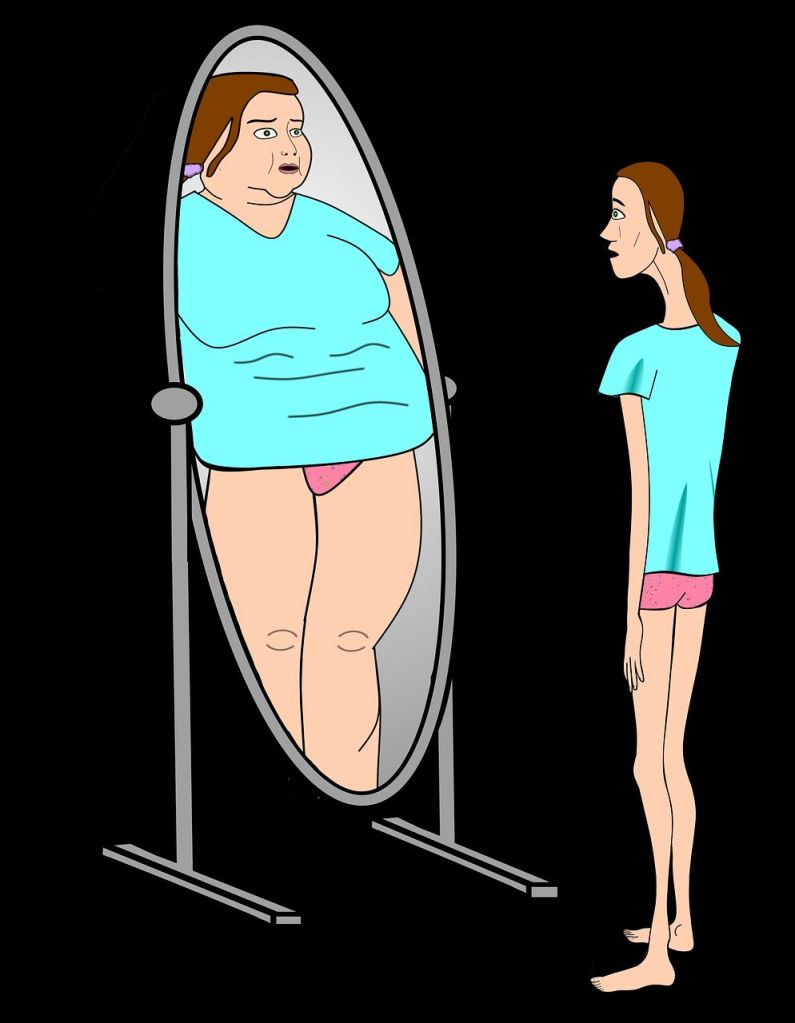
Bulimia nervosa, commonly referred to as bulimia, is a serious eating disorder characterized by a cycle of binge eating followed by compensatory behaviors such as purging, fasting, or excessive exercise.
People with bulimia often feel trapped in a cycle of guilt, shame, and fear surrounding food and their body image. While bulimia is a mental health disorder, it has significant physical, emotional, and social consequences.
Love yourself, enjoy healthy relationships
Download for free
Love dont cost a Thing
https://shorturl.at/xrkb4 canada
https://shorturl.at/ERKYW usa
However, with the right treatment and support, recovery is possible.
What is Bulimia?Bulimia nervosa involves repeated episodes of binge eating—consuming large quantities of food in a short period—followed by unhealthy efforts to prevent weight gain. These efforts may include vomiting, taking laxatives, fasting, or engaging in intense exercise. The cycle of bingeing and purging can cause serious health complications, both physically and emotionally.People with bulimia often feel out of control during binge episodes and may experience overwhelming feelings of guilt or disgust afterward, prompting them to “undo” the perceived damage through purging. This condition is not just about food; it’s deeply connected to issues of body image, self-esteem, and emotional regulation.

Causes of BulimiaThe exact cause of bulimia is not known, but like other eating disorders, it arises from a combination of genetic, psychological, and environmental factors. Some of the key influences include:Cultural Pressure: Society often promotes unrealistic standards of beauty, equating thinness with success, happiness, and self-worth. The pressure to achieve an “ideal” body can contribute to unhealthy eating behaviors.Body Image Issues: Many individuals with bulimia have a distorted body image, often seeing themselves as overweight even when they are not. This distorted self-perception fuels the desire to lose weight through dangerous behaviors.Emotional and Psychological Factors: Depression, anxiety, and low self-esteem are common among individuals with bulimia. Some people may use bingeing and purging as a way to cope with negative emotions, stress, or trauma.Family Dynamics: Certain family patterns, such as overly controlling or critical parents, or a family history of eating disorders, can contribute to the development of bulimia.Biological Factors: Genetics play a role, and individuals with a family history of eating disorders may be at higher risk. Additionally, chemical imbalances in the brain related to appetite, stress, and mood regulation may also be factors.
Symptoms of BulimiaBulimia symptoms can be both physical and emotional. Often, individuals with bulimia try to hide their behaviors due to feelings of shame, making it difficult to detect.
However, some common signs of bulimia include:Behavioral Symptoms:Binge Eating: Consuming unusually large amounts of food in a short time, often in secret, and feeling out of control during these episodes.
Purging Behaviors: Engaging in activities such as self-induced vomiting, misuse of laxatives, diuretics, or enemas, or excessive exercise to prevent weight gain.Preoccupation with Weight: Constant worry about body shape, weight, and dieting. People with bulimia may frequently check their weight or obsess over food and calories.
Avoidance of Meals: Avoiding eating in public or making excuses to skip meals, often to hide bingeing and purging behaviors.
Physical Symptoms:Dental Problems: Frequent vomiting can lead to enamel erosion, tooth decay, and gum disease due to stomach acid.
Swollen Cheeks or Jaw: Repeated vomiting can cause swelling around the face and jawline.Chronic Sore Throat: The acid from frequent vomiting can irritate the throat, leading to chronic soreness or inflammation.Gastrointestinal Issues: Individuals with bulimia may experience bloating, constipation, or stomach cramps, especially if they misuse laxatives or diuretics.
Dehydration and Electrolyte Imbalance: Purging can lead to severe dehydration and imbalances in vital electrolytes like potassium, sodium, and chloride, which can result in serious heart complications.
Emotional Symptoms:Guilt and Shame: People with bulimia often feel extreme guilt, shame, or embarrassment about their eating behaviors and go to great lengths to keep them secret.Mood Swings: The cycle of bingeing and purging can lead to dramatic shifts in mood, irritability, and depression.Loss of Control: Individuals with bulimia may feel as though they have no control over their eating behaviors and are trapped in a destructive cycle they cannot escape.
Health Risks of BulimiaBulimia has serious short- and long-term health consequences. Over time, it can lead to:Heart Problems: Electrolyte imbalances caused by purging can result in irregular heartbeats, heart failure, or sudden death.Digestive Issues: Repeated vomiting and laxative abuse can damage the digestive system, leading to chronic constipation, acid reflux, or ruptures in the esophagus.
Kidney Damage: Dehydration and the misuse of diuretics can cause kidney damage or failure.Nutritional Deficiencies: Purging can prevent the body from absorbing essential nutrients, leading to deficiencies, weakness, and a weakened immune system.Mental Health Disorders: Many individuals with bulimia also suffer from co-occurring mental health issues, such as depression, anxiety, or substance abuse.
Seeking Help for Bulimia
While bulimia is a serious condition, recovery is possible with the right treatment and support. Early intervention is critical to preventing long-term damage and improving outcomes.
Psychotherapy: Cognitive-behavioral therapy (CBT) is one of the most effective treatments for bulimia. It helps individuals identify and change unhealthy patterns of thinking and behavior related to food, body image, and self-worth. Other therapeutic approaches, such as interpersonal therapy (IPT), can also help individuals address underlying emotional and relational issues.
Nutritional Counseling: Working with a registered dietitian can help individuals develop a healthier relationship with food, learn balanced eating habits, and understand proper nutrition.
Medical Monitoring: Regular medical check-ups are essential to monitor the physical consequences of bulimia, such as electrolyte imbalances, heart health, and digestive issues.
In severe cases, hospitalization may be necessary.Medications: Antidepressants, particularly selective serotonin reuptake inhibitors (SSRIs), may be prescribed to help reduce binge-purge cycles and treat co-occurring depression or anxiety.
Support Groups: Joining a support group or working with a therapist can provide individuals with a safe space to share their experiences and connect with others who are going through similar struggles.
Recovery and HopeRecovery from bulimia is a gradual process that requires time, patience, and the right support. It involves addressing the root causes of the disorder, building healthier coping mechanisms, and developing a more positive body image. Family and friends play an essential role in the recovery process by offering non-judgmental support, understanding, and encouragement.
While relapses can occur, many individuals with bulimia go on to lead healthy, fulfilling lives with the proper treatment and a strong support system.
Conclusion
Bulimia is a complex and serious eating disorder with wide-ranging physical and emotional consequences.
However, with early intervention and the right treatment, recovery is possible. If you or someone you know is struggling with bulimia, seeking professional help is the first step toward healing. With compassion, understanding, and support, those affected by bulimia can break the cycle and regain control over their lives.
If you or someone you know is struggling with bulimia or any other eating disorder, it’s important to seek help from a medical professional, therapist, or support organization specializing in eating disorders.


