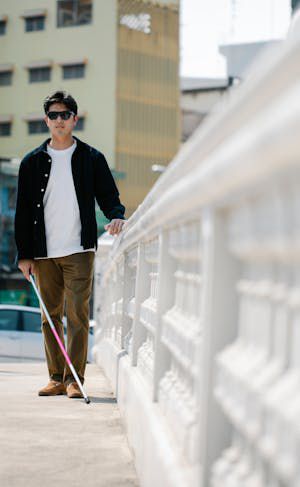
The visually impaired, individuals who experience significant vision loss or blindness, face unique challenges in their daily lives. These challenges range from navigating physical spaces to accessing information and participating fully in society.
However, advancements in technology, legislation, and community support are making strides toward improving accessibility and inclusivity for those with visual impairments. Understanding these challenges and the progress made toward greater inclusivity is crucial in fostering a more equitable and accessible society.
Understanding Visual ImpairmentVisual impairment encompasses a range of conditions from partial sight to complete blindness. The World Health Organization (WHO) classifies visual impairment into several categories:Low Vision: Individuals with low vision have some residual sight but cannot perform daily activities without assistance.
This might include difficulty reading, recognizing faces, or navigating unfamiliar environments.
Blindness: Complete blindness refers to the absence of usable vision. People who are blind rely on non-visual senses, such as hearing and touch, to interact with the world.
Legal Blindness: In many jurisdictions, legal blindness is defined as having visual acuity of 20/200 or worse in the better eye with correction, or a visual field of less than 20 degrees.
Challenges Faced by the Visually ImpairedVisually impaired individuals encounter various challenges that can impact their quality of life:Navigating Physical Spaces: Mobility and orientation can be difficult for those with visual impairments.
Obstacles such as uneven sidewalks, poorly marked pedestrian crossings, and inaccessible public transportation can pose significant barriers.Accessing Information: Traditional print materials are often inaccessible to those who are visually impaired.
This includes books, documents, and digital content that is not formatted for screen readers or other assistive technologies.Employment and Education: Finding and maintaining employment can be challenging due to accessibility barriers, discrimination, and the need for specialized accommodations. Similarly, educational resources and environments may not always be adapted to meet the needs of visually impaired students.
Social Inclusion: Social and recreational activities can be limited by accessibility issues. Participation in events and activities may require additional planning and accommodations to ensure inclusivity.Advances in Technology and AccessibilityTechnology has played a transformative role in improving accessibility for the visually impaired:Assistive Technologies: Tools such as screen readers, magnifiers, and Braille displays help individuals access digital content and perform tasks. Screen readers convert text to speech, while Braille displays allow users to read and write in Braille.
Navigation Aids: GPS-based navigation apps and devices designed for the visually impaired provide audio directions and information about surroundings, enhancing mobility and independence.
Smart Technology: Innovations in smart home technology, such as voice-controlled devices and smart appliances, assist individuals with visual impairments in managing their home environment.
Inclusive Design: The integration of accessible design features into public spaces, websites, and consumer products helps ensure that environments are usable for everyone. This includes features like tactile markings, audio cues, and high-contrast visual elements.
Legal Protections and AdvocacyLegal protections and advocacy efforts aim to promote equal opportunities and rights for the visually impaired:Disability Rights Laws: Legislation such as the Americans with Disabilities Act (ADA) in the United States and similar laws in other countries mandates accommodations and accessibility in various settings, including workplaces, public spaces, and educational institutions.
International Conventions: The United Nations Convention on the Rights of Persons with Disabilities (CRPD) establishes international standards for the rights of people with disabilities, including those with visual impairments. This framework encourages nations to promote accessibility and inclusivity.
Advocacy Organizations: Numerous organizations advocate for the rights and needs of visually impaired individuals. These organizations work to raise awareness, influence policy, and provide resources and support to individuals and families.

Click for more 👇
Promoting Inclusivity and SupportCreating a more inclusive society for the visually impaired involves several key actions:Education and Awareness: Increasing public awareness about visual impairment and the challenges faced by individuals helps reduce stigma and foster understanding.
Educational programs can also teach the public how to interact respectfully and provide assistance when needed.Accessible Design: Ensuring that public spaces, transportation, and digital platforms are designed with accessibility in mind is crucial. This includes implementing features such as tactile guide paths, audible signals at crosswalks, and websites that adhere to accessibility standards.
Community Support: Building supportive communities involves providing resources and services tailored to the needs of visually impaired individuals. Support groups, recreational activities, and mentorship programs can enhance social inclusion and personal development.
Advocacy and Policy: Continued advocacy for policies that promote accessibility and equal opportunities is essential. Engaging with policymakers and supporting initiatives that address the needs of the visually impaired can drive positive change.
Conclusion
The visually impaired face unique challenges, but advances in technology, legal protections, and community support are paving the way for greater inclusivity. By understanding these challenges and working together to promote accessibility and equality, society can ensure that all individuals, regardless of their visual abilities, have the opportunity to participate fully and thrive.
Creating an environment where everyone has equal access and opportunities enriches the collective experience and reflects a commitment to human dignity and respect.


