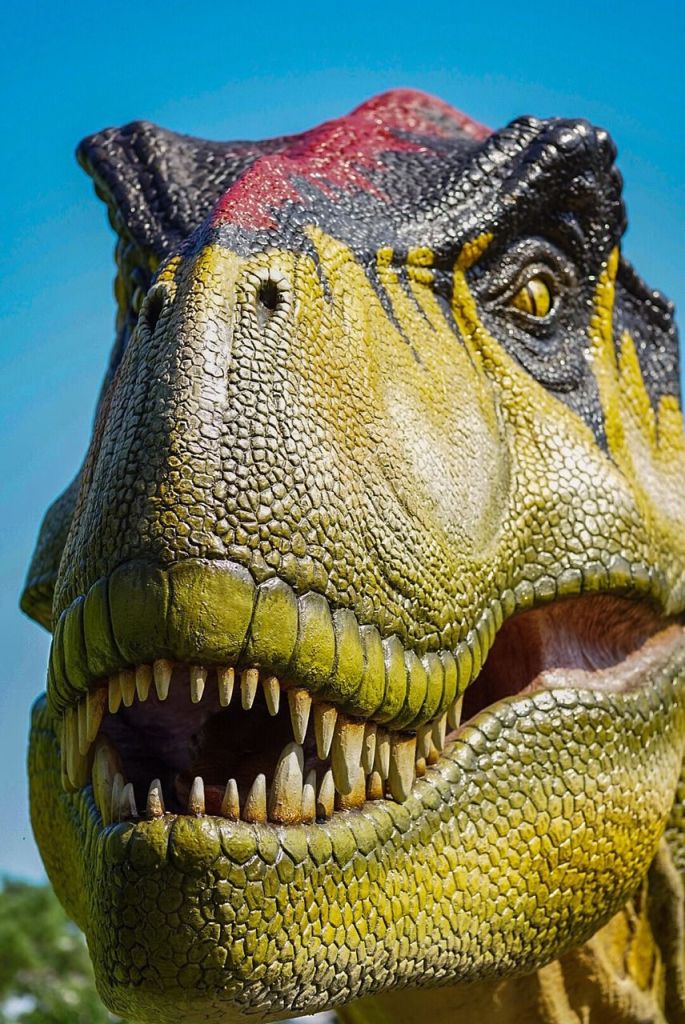
Dinosaurs have captured the imagination of people for centuries, inspiring countless books, films, and scientific discoveries. These prehistoric reptiles roamed the Earth for about 165 million years, dominating ecosystems on land, sea, and air long before humans emerged.
From the massive, plant-eating sauropods to the fearsome predators like Tyrannosaurus rex, dinosaurs were as diverse as they were fascinating. While they vanished 66 million years ago, their legacy continues to intrigue scientists and the public alike.
What Are Dinosaurs?Dinosaurs were a group of reptiles that lived during the Mesozoic Era, which spanned three periods: the Triassic (250–201 million years ago), Jurassic (201–145 million years ago), and Cretaceous (145–66 million years ago). They belonged to the clade Dinosauria, characterized by certain anatomical features, including upright legs positioned directly beneath the body. Unlike modern reptiles, which tend to have sprawling limbs, dinosaurs’ anatomy allowed for more efficient movement, especially over long distances.
Types of Dinosaurs
Dinosaurs were incredibly diverse, with over 1,000 species discovered so far. They ranged in size from small, bird-like creatures to colossal giants. Generally, dinosaurs can be categorized into two broad groups based on the structure of their hips: Saurischia and Ornithischia.
Saurischians:Saurischians were characterized by lizard-like hips and included both carnivorous and herbivorous dinosaurs.
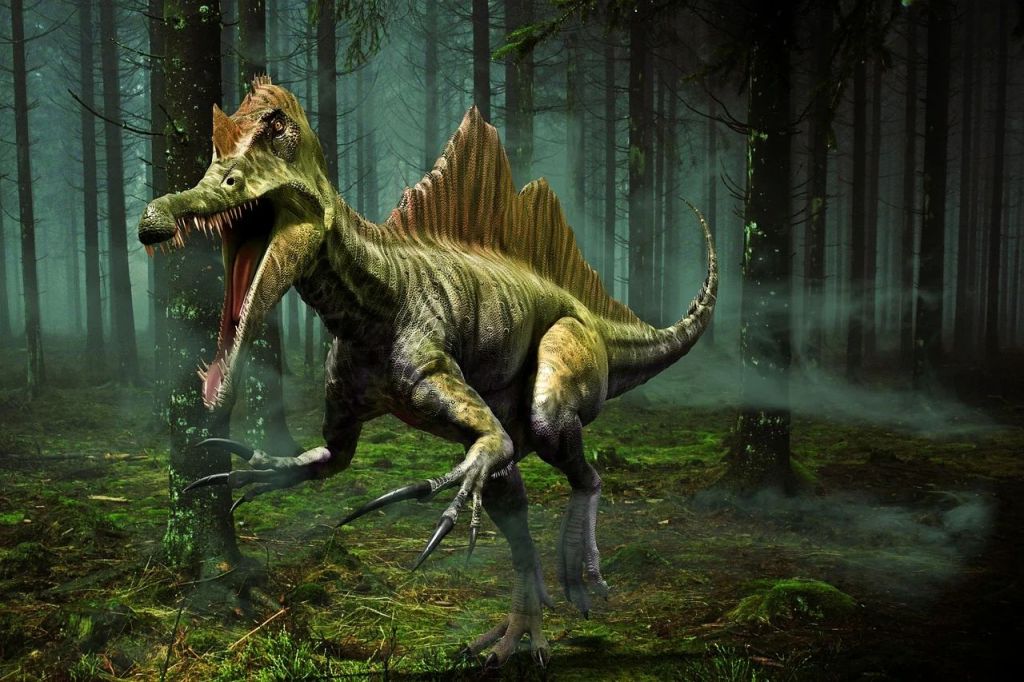
Theropods: These were primarily bipedal carnivores, including well-known species like Tyrannosaurus rex, Velociraptor, and Spinosaurus. Some theropods were small and bird-like, leading scientists to believe that modern birds are descendants of these dinosaurs.
Sauropods: These were massive, long-necked herbivores, like Brachiosaurus, Diplodocus, and Apatosaurus. They were among the largest animals to ever walk the Earth, with some species reaching lengths of over 100 feet.
Ornithischians:Ornithischians had bird-like hips and were exclusively herbivores. This group included a wide variety of species with different adaptations for defense and feeding.
Stegosaurs: Known for their distinctive back plates and spiked tails, species like Stegosaurus were slow-moving herbivores.
Ankylosaurs: These were heavily armored dinosaurs with club-like tails, like Ankylosaurus.
Ceratopsians: Famous for their horns and frills, Triceratops is one of the most recognizable members of this group.Hadrosaurs: Known as “duck-billed” dinosaurs, these creatures, like Parasaurolophus, had flat, wide snouts and were often capable of moving on two or four legs.
Dinosaur BehaviorThough much of what we know about dinosaurs comes from fossil evidence, scientists have used this information to make educated guesses about their behavior.
Herding and Social Behavior: Fossilized footprints and bone beds suggest that some species, like Maiasaura and Camarasaurus, lived in herds and cared for their young. Herding could have been a defense strategy, providing safety in numbers from predators.
Feeding Habits: Carnivorous dinosaurs like theropods were active hunters, as evidenced by their sharp teeth and claws. Some, like Tyrannosaurus rex, were likely scavengers as well as predators. Herbivores, such as Brachiosaurus, had long necks that allowed them to reach vegetation high in the trees, while others, like Triceratops, had strong jaws for chewing tough plants.
Defense Mechanisms: Many dinosaurs evolved remarkable adaptations for defense. Horned dinosaurs like Triceratops used their horns for combat, while armored dinosaurs like Ankylosaurus used their tail clubs to fend off attackers.
The Extinction of the DinosaursAround 66 million years ago, at the end of the Cretaceous Period, a mass extinction event wiped out nearly 75% of all species on Earth, including non-avian dinosaurs. The most widely accepted theory for this extinction is the Chicxulub impact—a massive asteroid that struck the Yucatán Peninsula in present-day Mexico. The impact created a series of catastrophic events, including tsunamis, wildfires, and a “nuclear winter” caused by dust and debris blocking out the sun.
This led to a dramatic drop in global temperatures and disrupted ecosystems, making it impossible for many species to survive.Other factors, such as volcanic activity and changing sea levels, may have also contributed to the extinction, but the asteroid impact is considered the primary cause.
Dinosaurs and Birds: A Living LegacyWhile the non-avian dinosaurs went extinct, one group of dinosaurs survived and continues to thrive today: birds. Fossil evidence shows that many theropod dinosaurs had feathers, and over time, these feathered dinosaurs evolved into modern birds. Traits like hollow bones, wishbones, and even certain behaviors (such as nesting) can be traced back to their dinosaur ancestors.
Thus, birds are considered the last living dinosaurs, providing a direct link to the prehistoric past.The Study of DinosaursPaleontology, the study of fossils, has been key to uncovering the mysteries of dinosaurs.
Fossils, including bones, teeth, footprints, and even skin impressions, provide valuable clues about how these creatures lived, moved, and interacted with their environments.
Some major discoveries include:Dinosaur Eggs and Nests: Fossilized eggs and nests, such as those of Oviraptor and Maiasaura, suggest that some dinosaurs cared for their young, much like modern birds.
Feathers and Soft Tissues: In recent years, paleontologists have discovered evidence of feathers in many theropod dinosaurs, leading to the conclusion that feathers were more widespread than previously thought.
Fossilized impressions of feathers have been found in species like Velociraptor and Microraptor.Fossilized Footprints: Dinosaur trackways provide insights into their behavior, speed, and group dynamics. For example, large trackways in North America indicate that some sauropods traveled in herds, while smaller prints suggest active hunting by theropods.
Dinosaurs in Popular CultureDinosaurs have long fascinated the public, becoming a staple of popular culture. Books, films, and television shows have portrayed these ancient creatures in various ways, from scientifically accurate depictions to fantastical creations. One of the most iconic portrayals of dinosaurs is in the Jurassic Park film franchise, which brought these creatures to life using groundbreaking special effects.
Dinosaurs continue to capture the imagination of people of all ages, and they play a significant role in educating the public about science, evolution, and the history of our planet.
Conclusion
Dinosaurs were extraordinary creatures that ruled the Earth for millions of years. Although they went extinct long ago, their fossils and living descendants—birds—serve as reminders of their incredible legacy.
The study of dinosaurs not only helps us understand the past but also deepens our understanding of evolution, extinction, and the forces that shape life on Earth. As new discoveries continue to be made, the story of dinosaurs evolves, offering new insights into these ancient giants that once walked our planet.

 omoreg