
Immigration, the movement of people from one country to another, has been a defining feature of human history.
Throughout the centuries, people have migrated in search of better opportunities, safety, and freedom, contributing to the cultural, social, and economic fabric of the nations they settle in.
In today’s globalized world, immigration remains a hotly debated topic, raising questions about its impact on host countries, the challenges it poses, and the benefits it can bring.What is Immigration?Immigration refers to the process by which individuals move from their home country to another country, typically with the intention of living and working there permanently or temporarily. Immigrants leave their home countries for various reasons, including economic opportunities, escaping violence or persecution, reuniting with family, or seeking a higher quality of life.
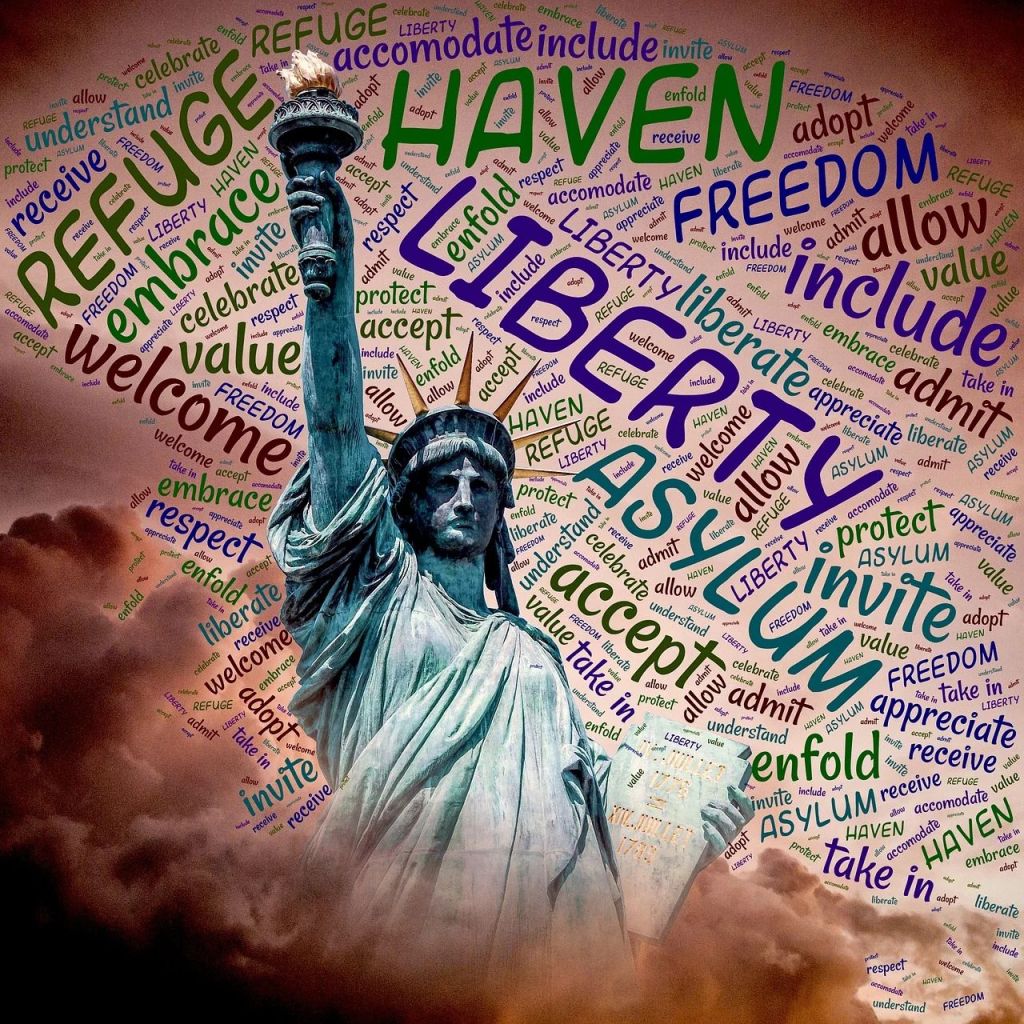
There are several types of immigration:Economic Migration: People move to another country in search of better job opportunities, higher wages, or improved living standards.Refugees and Asylum Seekers: Individuals fleeing war, persecution, or violence in their home country seek refuge in other countries.Family Reunification: People immigrate to join family members who are already living in a foreign country.
Education and Skilled Migration: Some people migrate to pursue higher education or bring their skills to industries facing labor shortages in other countries.Why Do People Immigrate?Immigration is driven by a variety of factors, commonly referred to as “push” and “pull” factors. Push factors drive people away from their home countries, while pull factors attract them to new destinations.Push Factors:Economic Hardship: High unemployment, poverty, or lack of opportunities often push people to seek better livelihoods elsewhere. Many immigrants come from developing countries where jobs are scarce or wages are too low to support families.Political Instability and Conflict: War, civil unrest, and oppressive political regimes force people to leave their homes in search of safety and stability. Refugees often flee countries torn by conflict or persecution.Environmental Disasters: Natural disasters such as earthquakes, hurricanes, and floods can displace people from their homes, leading them to seek refuge in other countries.
Climate change is also emerging as a growing factor in migration as rising sea levels and changing weather patterns disrupt livelihoods.Persecution and Discrimination: People facing persecution due to their race, religion, ethnicity, or political beliefs may be forced to leave their country to find safety and freedom elsewhere.Pull Factors:Economic Opportunities: Many immigrants are drawn to countries with strong economies, better job prospects, and higher wages. Developed nations often attract skilled workers from around the world to fill labor gaps in industries like healthcare, technology, and construction.
Education: Students migrate to pursue higher education at prestigious institutions abroad. Many immigrants view education as a pathway to upward mobility and better job prospects in the future.Family Reunification: Countries that allow family reunification attract immigrants who want to join relatives already living abroad, creating strong immigrant communities.
Quality of Life: People are often attracted to countries with better healthcare, education, social services, and political freedom. Immigrants may seek a higher quality of life, particularly in countries known for their democratic values and protections of human rights.
The Impact of Immigration on Host CountriesImmigration has both positive and negative impacts on host countries, shaping their economies, cultures, and societies.Economic Contributions:Filling Labor Shortages: Immigrants often take jobs in sectors where local workers are in short supply, such as healthcare, agriculture, construction, and hospitality.
Many countries rely on immigrant workers to keep these industries thriving.Economic Growth: Immigration can boost economic growth by increasing the labor force, fostering entrepreneurship, and promoting innovation. Many immigrants start businesses, create jobs, and contribute to the economy through taxes and consumer spending.Diversity and Innovation: Immigration brings cultural diversity and new perspectives, which can foster creativity, innovation, and cross-cultural collaboration. In many cases, immigrants contribute significantly to the arts, science, and technology.Social and Cultural Impact:Cultural Enrichment: Immigration enriches the cultural landscape of host countries, introducing new languages, traditions, food, and customs. Many countries celebrate their multicultural identities, viewing immigration as a source of cultural dynamism.Social Integration Challenges: While immigration can bring cultural diversity, it can also pose challenges for social integration. Differences in language, religion, and customs can lead to tension between immigrants and native populations.
Successful integration requires mutual respect and understanding, as well as support systems like language classes and job training for immigrants.Strain on Public Services: In some cases, immigration can place a strain on public services such as healthcare, education, and housing, particularly if the influx of immigrants is large and the country is not prepared for it. Managing these challenges requires thoughtful planning and investment in infrastructure.The Challenges of ImmigrationWhile immigration can bring many benefits, it also presents challenges for both immigrants and host countries.

Click for free
Download an audio book about love
Bending towards love
Bend dont break love awaits
https://shorturl.at/qMtFu (canada)
https://shorturl.at/0xHxZ ( usa)
https://shorturl.at/QTMFQ (ng)
Legal and Bureaucratic Barriers: Immigrating legally can be a complex and lengthy process. Many countries have strict immigration laws, quotas, and visa requirements, which can make it difficult for people to enter legally. This often leads to undocumented immigration, where individuals enter or remain in a country without legal permission.
Xenophobia and Discrimination: Immigrants often face xenophobia, racism, and discrimination in their host countries. Negative stereotypes and misconceptions about immigrants can fuel hostility, making it harder for them to integrate into society. Hostility toward immigrants is often heightened during economic downturns, when native populations may blame them for job shortages or increased competition for resources.
Language Barriers and Social Isolation: For many immigrants, learning a new language is a major hurdle. Language barriers can limit access to education, employment, and social services, contributing to social isolation and economic hardship.Legal Status and Rights: Undocumented immigrants often live in fear of deportation and lack access to basic rights, such as healthcare and education. Even documented immigrants may face restrictions on their rights, such as limitations on their ability to work or access social services.The Debate Over Immigration PolicyImmigration is a contentious issue in many countries, with debates often centered on the balance between welcoming immigrants and protecting national interests. Common points of contention include:Border Security and Illegal Immigration: Governments struggle to secure borders while ensuring humane treatment of asylum seekers and refugees.
The debate often revolves around how to prevent illegal immigration while providing pathways to legal residency for those fleeing persecution or hardship.Economic Impact: Critics of immigration argue that immigrants take jobs from native workers and drive down wages, while supporters emphasize the positive economic contributions immigrants make by filling labor gaps and boosting consumer demand.
Social Cohesion and Identity: Some people fear that large-scale immigration could erode national identity and strain social cohesion. Others argue that immigration strengthens societies by promoting diversity and cultural exchange.Refugee and Asylum Policies: With millions of people displaced by conflict and persecution, refugee and asylum policies are a key issue in immigration debates. Governments must balance humanitarian obligations with national security concerns and resource limitations.
Conclusion
Immigration is a complex and multifaceted issue that touches on economics, culture, politics, and human rights. While it presents challenges, immigration also brings significant benefits to host countries, including economic growth, cultural diversity, and innovation. Successful immigration policies are those that balance the needs of immigrants and host countries, promoting integration, protecting rights, and fostering social and economic progress.As immigration continues to shape the world, it remains essential for countries to develop thoughtful, humane, and inclusive policies that allow immigrants to contribute fully to their new societies while addressing the concerns of local populations. A balanced approach to immigration can create a more just, prosperous, and diverse world for all.


