Bode

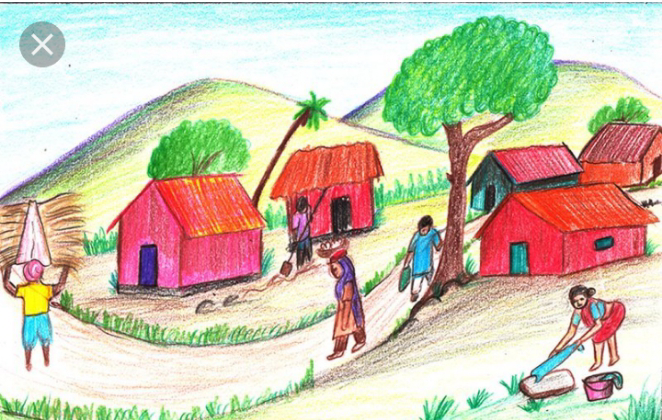
In the remote village of Ogoni, where superstitions intertwined with daily life, there lived a peculiar being named Bode. Half cat, half boy, he roamed the outskirts unnoticed by the villagers. Legend had it that Bode was born under a rare celestial alignment, granting him a unique existence that sparked both fear and fascination.

The village of ogoni

One fateful day, the king’s son, Prince Akan, found himself unjustly imprisoned. The king, influenced by the whispers of the villagers, believed sacrificing the prince to the ogoni ritual would appease the spirits and bring prosperity. The ominous drums echoed through the village, signaling the impending doom for the young prince.

Bode, with his keen senses, caught wind of the dire situation. Despite being an outcast, he couldn’t bear to witness the unjust fate awaiting the prince. With agile movements and the stealth of a cat, Bode infiltrated the prison walls, where Prince Akan was held captive.

“Who are you?” whispered the prince in disbelief as he laid eyes on the peculiar creature before him.

“I am Bode, a being of the in-between,” Bode responded, his feline eyes glinting with determination. “I’ve heard of your plight, and I’ve come to help you escape the clutches of the villagers.”

Together, Bode and Prince Akan devised a cunning plan to evade the guards and navigate the treacherous path out of the village. Bode’s cat-like agility and keen instincts proved invaluable as they slipped through shadows, avoiding detection.

As they ventured deeper into the night, Bode explained the villagers’ gruesome customs – a taste for human flesh, especially relishing the meat of strangers. Prince Akan shuddered at the thought of becoming a sacrificial meal for the Ogoni villagers.

With each step, the duo encountered obstacles, testing their resolve. Bode’s feline instincts guided them through dense forests, across rushing rivers, and over towering cliffs. The moonlit night became their ally, concealing their escape from prying eyes.

Word of the prince’s disappearance reached the villagers, intensifying their frenzied search. The king, blinded by the villagers’ desires, increased the reward for the capture of Prince Akan. Bode and the prince pressed on, fueled by the urgency to escape the clutches of the impending ritual.

Finally, after a perilous journey, they reached the outskirts of Ogoni. The duo paused to catch their breath, knowing the dangers still lingered. Bode, torn between his feline instincts and human compassion, looked at Prince Akan with a mixture of sadness and determination.

“You must leave this land, Prince Akan. Your safety lies beyond these borders,” Bode urged, his cat-like eyes reflecting the moonlight.

Prince Akan, grateful for the strange creature’s aid, clasped Bode’s furry hand in gratitude. With a nod, he disappeared into the night, leaving Ogoni behind.

Bode, the half-cat, half-boy, watched from the shadows as Prince Akan vanished into the distance. Alone once more, he knew he could never return to the village. His existence remained in the in-between, forever balancing on the edge of acceptance and rejection.

As dawn broke, the villagers discovered the empty prison cell. The king, fueled by anger and frustration, ordered a relentless pursuit of Prince Akan. Little did they know, the half-cat, half-boy named Bode had changed the course of fate for the young prince, sparing him from a grisly end in the hands of the ogoni villagers.

Omoreg quote:

Dudu

In the heart of Utzu Kingdom, where magic intertwined with everyday life, there lived a boy named Dudu. He possessed a unique gift that set him apart – the ability to discern bad witches by their awful smells. This extraordinary talent made him an unexpected ally to King Amerewa, who ruled over a village that celebrated harmony between magic and non-magic inhabitants.

Ukzu Kingdom

For years, King Amerewa hosted lavish parties, inviting both good and bad witches from the kingdom. It was a tradition meant to foster unity and goodwill, a testament to the coexistence of magical and non-magical beings. However, the year Dudu turned twelve, a relentless famine swept through Utzu Kingdom, casting a shadow over the annual celebration.

Understanding the dire circumstances, the good witches accepted the cancellation of the yearly party with grace and empathy. They recognized the hardships faced by the non-magical residents and chose solidarity over resentment. However, the bad witches harbored a different sentiment.

Fueled by anger and a thirst for revenge, the bad witches decided to exploit the vulnerability brought about by famine. Instead of understanding the predicament, they sought to turn the villagers against King Amerewa by inflicting a relentless curse. Every week, they secretly took the lives of seven innocent people, leaving a trail of sorrow and fear in their wake.

King Amerewa, unaware of the malicious plot, witnessed his once-thriving kingdom descend into a state of despair. Troubled by the unexplained tragedies, he sought counsel from his advisors. It was during this time of uncertainty that he heard of Dudu and his unique ability to detect bad witches.

Intrigued and desperate for a solution, King Amerewa summoned Dudu to his court. The young boy, humble yet perceptive, stood before the king and explained his gift. Dudu offered to use his ability to identify the bad witches responsible for the ongoing calamities in Utzu Kingdom.

With the kingdom’s fate hanging in the balance, King Amerewa agreed to Dudu’s proposition. The boy set out on a mission, guided by the pungent odors that accompanied malevolence. Week after week, Dudu pinpointed the bad witches hiding among the villagers, and King Amerewa took swift action to banish them from the kingdom.

As the weeks passed, the number of deaths dwindled, and hope began to return to Utzu Kingdom. Dudu’s remarkable gift and King Amerewa’s commitment to justice had uncovered the sinister conspiracy. However, the true depth of the bad witches’ vengeful plot was yet to be revealed.

Dudu, with his acute senses, noticed a pattern in the terrible deeds committed by the bad witches. He discovered that the number of victims corresponded directly to the cancelled annual party – seven people per week for every week the celebration was denied. The bad witches, fueled by their resentment, used their dark powers to exploit the situation and wreak havoc on the kingdom.

Determined to put an end to the malevolence, Dudu intensified his efforts. Eventually, he uncovered the last of the bad witches, hiding in plain sight among the villagers. King Amerewa, angered by the betrayal and the loss of innocent lives, decreed that they be burned to ashes, a fate befitting the darkness they had brought upon the kingdom.

As the ashes of the bad witches scattered to the wind, Utzu Kingdom breathed a collective sigh of relief. The once-broken community began to heal, and the gratitude of the people echoed through the kingdom. Dudu’s extraordinary gift and King Amerewa’s commitment to justice became the stuff of legends, passed down through generations as a tale of resilience, unity, and the triumph of good over dark forces.

Utzu Kingdom learned a valuable lesson about the consequences of vengeance and the importance of understanding and empathy in the face of adversity. The tale of Dudu, the boy who could detect bad witches by their awful smells, became a timeless reminder that even in the darkest times, the light of justice and compassion can prevail.

Omoreg quote:

Race is every sense a gain

The skinny wrestler

Sosi village

In the heart of Sosi village in Arisa, Maria, a seemingly frail young girl, earned her reputation as an unexpected force to be reckoned with. From a tender age of six, she displayed astonishing strength and agility, climbing trees with ease and effortlessly carrying drumfuls of water that even grown men struggled with. Whispers echoed through the village that Maria’s hands possessed the rare ability to split stones, a skill that set her apart.

As Maria grew, so did the tales of her extraordinary feats. She dared to challenge renowned wrestlers in the village, proving skeptics wrong with each victorious match. Her family, proud witnesses to her remarkable abilities, supported her unconventional path, acknowledging that Maria’s strength went beyond the ordinary.

One day, Maria faced her most formidable opponent yet – Emeka, a well-known wrestler in Sosi village soon to be wed to Loveth. The anticipation in the air was palpable as the villagers gathered to witness this unlikely match. To everyone’s surprise, Maria, the skinny young girl with the mystical hands, emerged triumphant.

Emeka, unable to bear the shame of defeat and facing the rejection of his betrothed Loveth, succumbed to anger and resentment. Consumed by wounded pride, he plotted revenge against Maria. In the dead of night, when Maria was peacefully sleeping, Emeka launched a brutal attack.

The confrontation turned deadly, and Maria’s life was extinguished by the vengeful wrestler. However, her spirit refused to rest in peace. Enveloped in the ethereal realm, Maria’s ghost sought justice for the injustice inflicted upon her. Unfinished business tethered her to the mortal plane, and she vowed to avenge her untimely demise.

In the following nights, Maria’s ghost silently and methodically confronted those responsible for her death. The village was haunted by mysterious occurrences as those who played a role in her demise experienced unexplained misfortunes. Shadows whispered of a vengeful spirit seeking retribution.

Emeka, Loveth, and others involved in Maria’s tragic end faced the wrath of her spirit. Loveth, discovering the truth behind Emeka’s actions, decided to distance herself from the malevolent wrestler. The village was in disarray as fear and guilt gripped those who had played a part in Maria’s demise.

Driven by a relentless pursuit of justice, Maria’s spirit showed no mercy. Each night, she haunted those responsible, ensuring that they faced the consequences of their deeds. The once-proud Emeka, now tormented by guilt, sought redemption for his actions but found no solace.

It took the collective efforts of the village elders to address the supernatural unrest. Seeking forgiveness and acknowledging the injustice done to Maria, the community conducted rituals to appease her spirit. Slowly, the haunted village began to find peace as Maria’s ghost, satisfied with the acknowledgment of her suffering, finally embraced tranquility.

The tale of Maria, the skinny girl with hands that could split stones, became a cautionary legend in Sosi village. The villagers learned that strength was not solely measured in physical prowess but also in the courage to confront one’s actions and seek redemption. Maria’s legacy lived on, a reminder of the consequences that could follow when pride and vengeance overshadowed compassion and understanding.

Omoreg quote:

Guns dont guarantee safety,

God commands safety.

The Wrestler with leaf hands

Okoko village

In the heart of Okoko village, Eze was renowned for his strength as a wrestler. His powerful grip and swift moves made him a local legend, drawing crowds to witness his victories in the dusty arena. However, his life took an unexpected turn when he caught the eye of Amumu, a young witch secretly infatuated with him.

One moonlit night, Amumu, unable to contain her emotions, cast a spell on Eze, turning his strong hands into delicate, green leaves. The once-mighty wrestler found himself powerless, his hands now resembling fragile foliage. Villagers were perplexed and saddened by the transformation, and Eze became an object of pity.

Video of the Wrestler with leaf hands

Desperate for a solution, Eze embarked on a journey to find a cure. His travels led him to a mysterious wizard named Odugu, known for his knowledge of obscure remedies. With hope in his heart, Eze approached Odugu and shared his plight.

Odugu, a wise old man with a long, flowing beard, listened intently. After careful consideration, he revealed a peculiar solution: Eze had to bless any leaf-eating animals he encountered for seven consecutive days. This unusual task held the key to breaking the spell.

Determined to regain his strength, Eze set out on his quest. Each day, he wandered through the dense forests and vast fields, seeking out animals with a taste for leaves. From giraffes to caterpillars, Eze blessed them all, his hands gently touching the creatures as he muttered words of restoration.

As the days passed, a subtle change occurred. Eze’s hands began to regain their strength, transforming back from fragile leaves to powerful fists. The village, initially skeptical of Odugu’s remedy, witnessed the miraculous reversal. The once leaf-handed wrestler now stood tall, his confidence restored.

During his journey, Eze encountered challenges and dangers, but he faced them with newfound resilience. The leaf-eating animals, blessed by his touch, seemed to radiate vitality and energy. Villagers marveled at the transformation, realizing that Odugu’s wisdom extended beyond the ordinary.

Unknown to Eze, Amumu, the young witch who had cast the spell, observed his journey from afar. She watched as he overcame adversity and grew stronger with each passing day. Deep within, a sense of regret and admiration blossomed.

On the seventh day, Eze returned to Okoko village, his hands now fully restored. The once-fragile leaves had disappeared, replaced by the robust hands that had made him a wrestling sensation. The news of his miraculous recovery spread like wildfire, and the villagers celebrated his return to glory.

Amumu, burdened by guilt and remorse, approached Eze to confess her actions. Instead of harboring anger, Eze showed compassion. He understood the complexities of emotions and the unintended consequences of love. The village learned a valuable lesson about forgiveness and the transformative power of empathy.

Eze’s journey, guided by the wisdom of Odugu, became a legend in Okoko village. The tale of the wrestler with leaf hands spread far and wide, a testament to the magic of redemption and the extraordinary ways in which curses could be broken.

Omoreg quote of the day:

* The rulers that rules us, *

   The benders that bend us,

   The tale of the poor

   The everyday life of struggling Nigerians

Beauty vs Tradition

In the land of Opeche, where traditions held sway, there existed a peculiar custom in the village of Ewurin. Here, the people believed that snakes were sacred, and it was strictly forbidden to harm them. This belief was deeply ingrained in their culture, and the consequences of defying it were considered severe.

Opeche  settlement

Nkechi, a radiant young woman, was on the verge of being betrothed to Nkem, a suitor from the neighboring Ovisa Kingdom. Unaware of the customs of Nkechi’s people, Nkem paid her a surprise visit one day when her home was empty. In a moment of ignorance, he mistakenly killed a brown snake with dark patches, thinking it posed a threat.

Little did Nkem know that this particular snake was believed to bring blessings to girls of marriageable age in Ewurin. The consequences of his actions were swift and severe. Within three days, his tongue was sweeping the floor, and his eyes welled with ceaseless tears. The news reached Osisi, Nkechi’s father, who promptly called off the impending wedding.

Video of beauty vs Tradition

In a desperate bid to save Nkem from the curse, the villagers sought the help of Okiso, the village herbalist renowned for his knowledge of mystical remedies. Okiso, a man of wisdom, understood the gravity of the situation and inquired about the color and markings of the snake Nkem had killed.

After careful consideration, Okiso prescribed a rather unconventional solution. Nkem was instructed to drink his own urine and bathe with it for three consecutive days. The villagers, desperate to lift the curse and salvage the wedding, followed Okiso’s instructions diligently.

As the days passed, Nkem’s condition gradually improved. The sweeping of his tongue lessened, and the incessant flow of tears ceased. The village breathed a collective sigh of relief, but the events left a profound impact on Nkem.

Reflecting on the ordeal, Nkem realized the importance of understanding and respecting the traditions of his prospective bride’s community. The incident made him question the value of pursuing beauty without regard for cultural nuances. In a moment of clarity, he decided that it was wiser to marry from his own land, where he knew the customs and traditions, than to blindly follow after external allure.

The news of Nkem’s decision reached Nkechi and her family. Although saddened by the turn of events, Nkechi’s father, Osisi, understood the wisdom in Nkem’s choice. The village respected Nkem’s newfound understanding and commitment to preserving cultural values.

In the end, Nkem found a suitable match within his own community, and the couple went on to build a life steeped in the traditions they both cherished. Meanwhile, Nkechi’s family, though disappointed at the cancellation of the alliance, held firm to their belief in the sacredness of their customs.

The tale of Nkem and Nkechi became a cautionary story in Ewurin, a reminder that love and beauty should always be accompanied by an understanding and appreciation of cultural heritage. The brown snake with dark patches, once a symbol of blessing, became a poignant reminder of the delicate balance between tradition and the pursuit of love.

Omoreg quote of the day:

* Man is a Message *

Cook foils sabotage plot

Umumu village

In the heart of Umumu village, where culinary skills were celebrated, lived Mathias, a renowned cook with a peculiar companion—his faithful dog, Whiskey. Umumu was a place where dogs were considered a delicacy, but Mathias’s deep bond with Whiskey shielded the canine from the culinary fate that befell others.

Mathias’s culinary prowess was legendary, earning him not only accolades but also the deed to a piece of land where he built his home. Whiskey, his loyal canine friend, always by his side, became a source of inspiration for Mathias’s culinary creations. The bond they shared went beyond the kitchen; it was a testament to the unwavering love that transcended cultural norms.

One day, news spread across Umumu of a grand feast and food competition that would unite three villages—Okodi, Onosu, and Odunche. The stakes were high, with the grand prize being a vast cocoa farm, a rare and valuable possession in Umumu. The anticipation was palpable, and villagers eagerly awaited the competition that promised not only a gastronomic spectacle but also the chance to own a cocoa farm.

Watch the video of cook foils sabotage plot

As the day of the feast approached, Mathias found himself as the sole representative from Umumu in the food competition. His reputation as a masterful cook had left others hesitant to compete against him. However, one persistent contestant, Isioma, consistently secured the second position. Fueled by envy and desperation, she hatched a devious plan with her husband, Okubu, to eliminate Mathias from the competition.

Their sinister plot unfolded during the feast. Under the cover of darkness, Okubu targeted an unsuspecting man, and the gruesome act left the victim’s hands severed. Isioma, fueled by her desire to win at any cost, placed the severed hands in Mathias’s famous fish pepper soup. The nefarious plan aimed to have Mathias disqualified, humiliated, and punished by their King, Ikem.

The discovery of the mutilated hands sent shockwaves through the feast. Mathias, aghast and bewildered, faced accusations that left him speechless. The village elders, under the leadership of King Ikem, convened to unravel the truth. In a desperate attempt to clear his name, Mathias insisted on a trial by the village sorcerer, Oko.

The hands were presented to Oko, a wise and revered figure known for his mystical abilities. As he delved into the supernatural realm, Oko uncovered the malevolent truth behind the plot. The sorcerer’s revelations exposed Isioma and Okubu as the architects of the heinous act.

Swift justice followed, and the conspirators faced the wrath of the village. Isioma and Okubu met their demise, their bodies cast into the foreboding depths of the evil forest. The once joyous feast now carried the weight of tragedy, a stark reminder of the consequences of envy and treachery.

Mathias, though vindicated, couldn’t shake off the somber air that lingered over Umumu. The village learned a harsh lesson about the destructive power of jealousy and the lengths some would go to achieve victory. Whiskey, the faithful dog, remained by Mathias’s side, a silent witness to the turbulent events that had unfolded in their beloved village.

Nneka tale of Redemption

Nneka, the lone child of Nkwoche, a slave owner with seven wives, witnessed the struggles within her family. The burden of fertility haunted her father’s wives, leading them to seek solace in the arms of other men. Desperate for children, the wives bore twins, triplets, and quadruplets, but none birthed a single child.

Haunted by the curses of slaves sold away, Nneka sought answers. A kind witch named Eloma revealed the grim truth. Her father’s greed and the suffering he caused slaves led to curses that affected the fertility of the women he married. Eloma disclosed that Nneka was a miracle child, and for her mother to have more children, she had to leave Nkwoche.

As the secrets unraveled, Nneka’s world crumbled. The revelation of her father’s actions weighed heavily on her. The kind witch, Eloma, offered guidance, urging Nneka’s mother to make a difficult choice for the sake of future blessings.

The tension escalated when a slave named Azuka, fueled by vengeance, traced Nneka’s father. Driven to the brink by the atrocities committed against his people, Azuka sought justice. In a twist of fate, he confronted Nkwoche, ending the tyrant’s life. The cycle of suffering perpetuated by Nneka’s father was abruptly halted, bringing an unexpected resolution to the turmoil.

Nneka, now grappling with the aftermath, found herself at a crossroads. The revelations about her father’s deeds and the bloodshed he caused left scars on her soul. Yet, there was a glimmer of hope as the shackles of cruelty were broken. The once cursed family could now rebuild, guided by the lessons learned from the past.

In the midst of tragedy and sacrifice, Nneka discovered the importance of empathy and kindness. Eloma, the wise witch, played a crucial role in helping her navigate through the chaos. As the sun set on the turbulent chapter of Nneka’s life, she carried the weight of her family’s history but also held the potential to forge a new path of compassion and understanding.

The story of Nneka serves as a poignant reminder of the consequences of greed, cruelty, and the possibility of redemption through the choices we make.

Download the video of nneka tale of Redemption

Pete of Silverwood

In the remote village of Silverwood, nestled between ancient forests and mist-covered mountains, lived a man named Pete. By day, he was an ordinary villager, known for his kindness and willingness to lend a hand to anyone in need. However, when the moon cast its silvery glow upon the land, Pete underwent a remarkable transformation – he became a werewolf.

The villagers were aware of Pete’s nightly alter ego, but instead of fearing him, they revered him as their protector. For years, Silverwood had been plagued by consistent attacks from intruders and enemies seeking to exploit the village’s resources. It was during these perilous nights that Pete’s true calling emerged.

As the sun dipped below the horizon, Pete felt the primal energy coursing through his veins. His body shifted, bones rearranged, and fur sprouted from his skin. The transformation was both awe-inspiring and terrifying, yet Pete retained his human consciousness, allowing him to understand the village’s needs during these dangerous nights.

The attacks on Silverwood were relentless. Bands of marauders and dark creatures sought to plunder the village, driven by greed and malice. However, they underestimated the formidable guardian that emerged with the rising moon.

Pete, now a powerful werewolf, patrolled the village outskirts, keen senses attuned to the slightest rustle of leaves or the faintest scent of danger. His growls echoed through the night, serving as a warning to any would-be invaders. The villagers, nestled in their homes, felt a sense of security knowing that Pete’s watchful eyes were vigilant against the impending threats.

One fateful night, a horde of ruthless mercenaries descended upon Silverwood, drawn by rumors of the village’s hidden riches. The invaders, armed to the teeth, thought they could easily overpower the small community. Little did they know that Pete, in his fearsome werewolf form, awaited them.

The battle that ensued was fierce and chaotic. Pete, with a blend of raw power and strategic cunning, fought tooth and claw against the intruders. His howls pierced the night, signaling the villagers to remain barricaded in their homes while he confronted the threat head-on.

The tide of the battle turned in Pete’s favor. He single-handedly thwarted the mercenaries’ advance, driving them out of Silverwood with a combination of sheer strength and primal instincts. The villagers, witnessing Pete’s valor, emerged from their shelters to find their homes safe and their protector standing proudly amidst the aftermath of the struggle.

Word of Pete’s heroic deeds spread beyond Silverwood, reaching neighboring villages. They, too, faced similar challenges, and whispers of the werewolf guardian who defended his people in the darkest hours inspired hope.

Embracing his dual nature, Pete continued to safeguard Silverwood night after night. The villagers, grateful for his unwavering dedication, crafted tales that spoke of a man who transformed into a creature of the night to shield his community from harm. Pete, though a solitary figure during these nightly battles, found solace in the knowledge that he had become a symbol of resilience and protection.

As the seasons changed and threats diminished, Silverwood flourished under Pete’s watchful eye. The once besieged village transformed into a haven of peace, and the villagers, no longer living in fear, regarded their enigmatic guardian with gratitude.

Pete’s story became a legend, a testament to the extraordinary lengths one man, bound by both humanity and the untamed spirit of the wolf, would go to protect those he held dear. And so, under the moonlit skies, Pete continued his silent vigil, a guardian of Silverwood, a man by day and a werewolf by night.

The king and his parrot

Once upon a time in the peaceful kingdom of Eldoria, there lived a wise and just king named King Pullen. His most treasured companion was a colorful parrot named Gold, known throughout the kingdom for his sharp wit and keen observations.

King Pullen was unaware of the growing envy within his court. His best friend, Tobias, harbored a secret love for Queen Marie, the gracious wife of the king. Tobias, consumed by jealousy, plotted to seize the throne for himself.

One day, as the kingdom celebrated a grand feast, King Pullen and Queen Marie were toasting to their happiness. Unbeknownst to the king, Tobias had cunningly poisoned the wine meant for the royal couple.

Gold, perched high in his golden cage, observed the deceit unfolding. The parrot, with a heart loyal to the king, sensed the danger. In a swift and loud squawk, Gold caught everyone’s attention in the grand hall.

“Stop! Poison!” Gold screeched, flapping his vibrant wings anxiously.

The hall fell into a stunned silence as the guests stared at the parrot in disbelief. King Pullen, puzzled but trusting his loyal companion, hesitated before taking a sip of the wine. Suspicion flickered across his eyes as he glanced at Tobias, who wore a mask of false concern.

Let sport gain expression

“Check the wine!” Gold continued, drawing attention to the goblets on the table. The courtiers, alarmed by the parrot’s warnings, inspected the drinks and found the poisoned wine.

Tobias, panic-stricken, tried to flee the hall, but the guards swiftly apprehended him. The truth unraveled as the conspirator confessed his sinister plan to claim the throne and win Queen Marie’s heart.

King Pullen, grateful for Gold’s unwavering loyalty, rewarded the clever parrot with a golden cage adorned with jewels. Eldoria rejoiced in the triumph of good over deceit, and Gold became a celebrated hero in the kingdom.

From that day forward, King Pullen and Queen Marie held their parrot in the highest regard, valuing his wisdom and dedication. Gold, with his brilliant plumage and sharp intellect, continued to bring joy to the royal court, serving as a constant reminder of the importance of loyalty and trust.

As for Tobias, he faced the consequences of his betrayal. Banished from the kingdom, he disappeared into obscurity, leaving behind a cautionary tale of the consequences of envy and deceit.

And so, in the kingdom of Eldoria, the bond between a king and his parrot prevailed, teaching all about the enduring power of friendship and the strength found in the most unexpected of allies.

The king and the thieves of lala land

Once upon a time in the colorful kingdom of Jersey, there lived a wise and just ruler known as King Jersey. The kingdom was a haven of peace and prosperity, nestled in the heart of a magical land called Lala Land. However, not everything was as idyllic as it seemed.

One gloomy day, a group of cunning thieves decided to target the riches of Lala Land. These mischievous bandits, known far and wide as the Thieves of Lala Land, were notorious for their stealth and clever tactics. Their leader, a sly character named Whisper, plotted to infiltrate the royal treasury and steal the kingdom’s most precious treasures.

King Jersey, though wise, was not one to underestimate the threats to his kingdom. Word of the impending danger reached his ears, and he called upon his most trusted advisor, Sir Guardian, to devise a plan to thwart the thieves. Sir Guardian, a loyal and valiant knight, quickly assembled a team of skilled individuals to protect the kingdom.

The first member of the team was Swift, a swift-footed messenger who could swiftly convey messages across the kingdom. Then there was Spark, a brilliant inventor who could create ingenious contraptions to outsmart the thieves. Lastly, there was Luna, a keen-eyed astronomer who could read the stars and predict the thieves’ movements.

As the Thieves of Lala Land approached under the cover of night, Swift rushed to warn the kingdom’s guards. Spark devised a series of traps and alarms to deter the intruders, and Luna gazed into the night sky, seeking guidance from the stars.

Give sport a chance

The thieves, unaware of the formidable team assembled against them, attempted to sneak into the royal treasury. However, they were met with a barrage of surprises. Swift alerted the guards, who swiftly surrounded the intruders. Spark’s traps triggered, creating chaos and confusion among the thieves. Luna’s celestial insights guided the guards to intercept the thieves’ every move.

In the midst of the chaos, King Jersey emerged with his trusted sword, ready to defend his kingdom. The thieves, realizing they were outmatched, attempted to retreat, but the kingdom’s defenders pursued them relentlessly. Whisper, the leader of the thieves, was eventually cornered and brought before King Jersey for judgment.

King Jersey, known for his fairness, gave Whisper a chance to reform and contribute positively to the kingdom. Recognizing the error of their ways, the thieves, under King Jersey’s guidance, were offered the opportunity to use their skills for the betterment of Lala Land.

The once mischievous thieves, now reformed citizens, became valuable members of the kingdom. Under King Jersey’s rule, Lala Land continued to thrive, its treasures secure, and the Thieves of Lala Land transformed into loyal subjects, contributing to the prosperity of their beloved kingdom. And so, the tale of King Jersey and the reformed thieves became a legendary story passed down through the generations in the magical land of Lala Land.