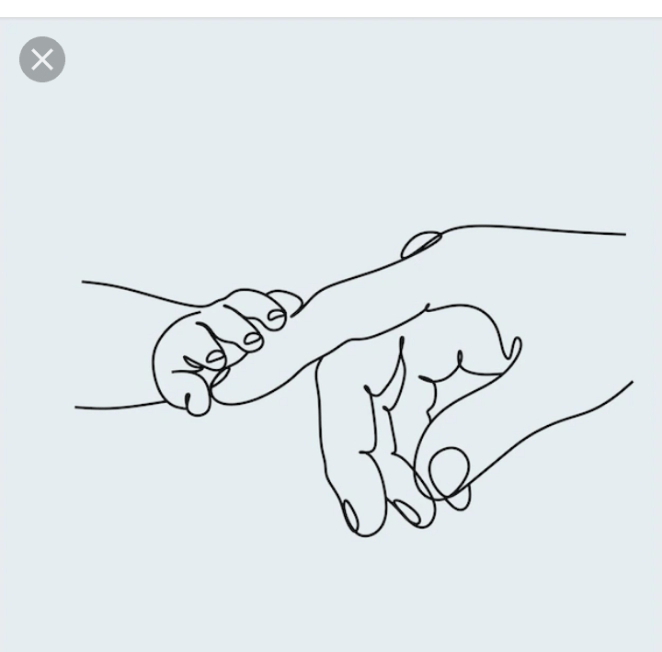
Father’s hands raised us

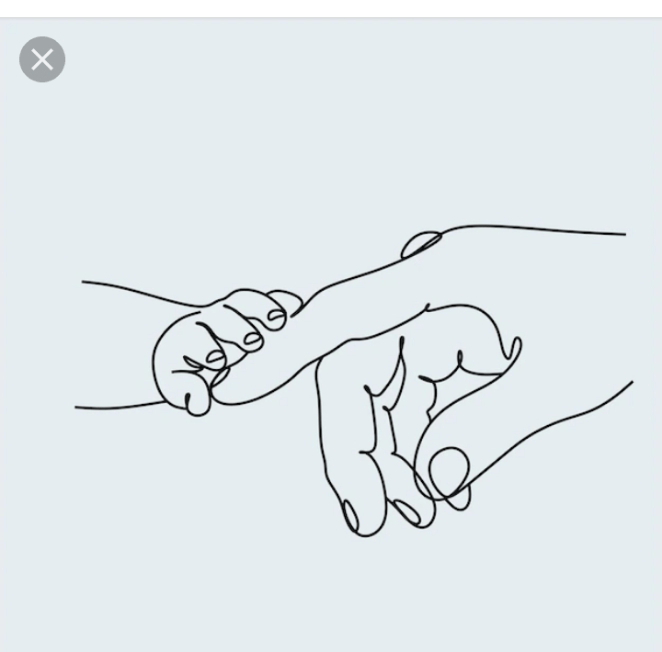
“My father’s hands were more than just weathered skin and calloused fingers; they were the architects of our upbringing, the sculptors of our character, and the compass guiding us through life’s turbulent seas. In their firm yet gentle grasp, we found solace, security, and unwavering support. With every calloused crease, they etched lessons of resilience, determination, and integrity into the fabric of our being.

Those hands, weathered by toil and time, bore the weight of our dreams, lifting us higher than we ever dared to imagine. They were hands that worked tirelessly to provide, sacrificing their own comfort for the sake of our futures. In moments of uncertainty, they steadied us with their steady resolve, imparting wisdom gained through years of experience and hardship.

But beyond their practicality, my father’s hands were a testament to love in its purest form. Whether cradling us in moments of vulnerability or guiding us along the path of righteousness, they spoke a language of affection that transcended words. They were hands that built not just houses, but homes; hands that shaped not just lives, but destinies.

In the end, my father’s hands were not just hands—they were the embodiment of love, strength, and sacrifice. They were the hands that raised us, shaping us into the individuals we are today, and for that, we will be forever grateful.”


Child bride’s poetic

Say no to child marriage

In innocence’s bloom, she stands, a child bride,
Bound by customs, traditions, and societal tide.
Her tender heart, a fluttering bird confined,
To wedlock’s chains, her fate unkind.

Betrothed before she knew love’s gentle touch,
Her dreams eclipsed by duty’s stern clutch.
A doll in white, adorned with fleeting smiles,
Conceals a soul weighed down by trials.

Her laughter, a facade, masking silent tears,
Echoes of childhood lost in the passing years.
She dances to tunes of another’s design,
In shadows cast by vows she must align.

Her youthful gaze holds secrets untold,
Innocence tarnished, by expectations bold.
Yearning for freedom’s elusive embrace,
In the prison of tradition, she finds no solace.

Yet amidst the darkness, a flicker of hope,
A whisper of defiance in the silent scope.
For she is more than a pawn in the game,
A spirit resilient, with ember of flame.

May she find refuge in the arms of dawn,
And rewrite the tale that society has drawn.
For every child bride, a story to reclaim,
A future of promise, beyond tradition’s chain.

Self love begins

Omoreg quote: Take your self love with you, anywhere you go

In the garden of my being, I find a bloom,
Petals of self-love, dispelling the gloom.
A dance with shadows, a solitary waltz,
Embracing my essence, in self-love’s exalt.

Rooted in self-sufficiency, I stand tall,
A sovereign soul, I heed my own call.
No borrowed light, within me it resides,
A flame of resilience, where strength abides.

Mirror, mirror, reflection divine,
In self-love’s embrace, I brightly shine.
No seeking approval from external eyes,
For within, the treasure of self-love lies.

A fortress of self, self-sufficient walls,
Guarding against doubts, as confidence sprawls.
I am the architect of my destiny,
In self-love’s sanctuary, forever free.

Whispers of self-compassion, a gentle breeze,
Self-sufficiency’s anthem, sung with ease.
No dependency on external decree,
In the arms of self-love, eternally.

So let the world spin, in its chaotic spin,
In self-love and self-sufficiency, I begin.
A symphony of empowerment, a life composed,
With love for myself, the greatest prose.

Motherhood life canvas

Omoreg quote: Nature tells her story very well

In the cradle of life, a selfless embrace,
Mother’s gift, a vessel of grace.
Her body, a haven, where love takes its form,
Nurturing whispers through each heartbeat’s warm.

Within her, a symphony, life’s delicate dance,
A silent lullaby, a maternal trance.
Her flesh, a canvas, a story unfolds,
In the echo of heartbeats, a tale it holds.

From the first flutter to a heartbeat’s song,
A shared melody where two hearts belong.
In her sacrifice, a testament told,
A story of love, as the journey unfolds.

Her body, a vessel, an offering divine,
A sacred passage through which life intertwines.
A mother’s legacy, written in skin and in bone,
A testament to love, gracefully sown.

Binta

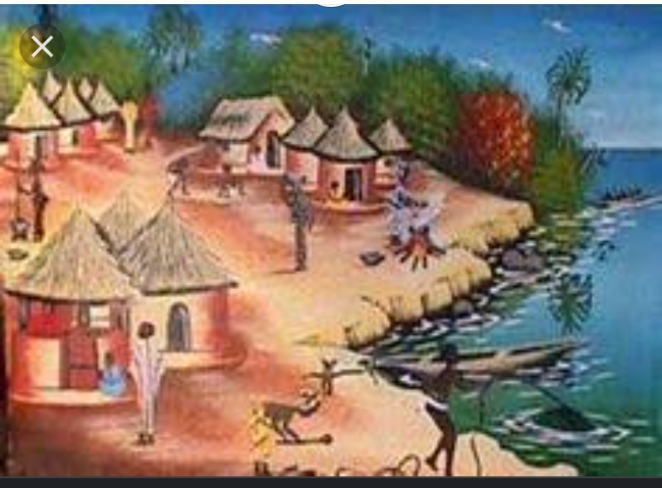
Ojojo village

In the heart of Ojojo village, there once lived a wicked woman named Binta. She was known for her wealth, but more infamous for her cruel treatment of the beggars who sought refuge in the village.

Binta’s opulent mansion stood as a stark contrast to the humble huts of Ojojo. The villagers were generous and compassionate, always willing to share what little they had with those in need. However, Binta harbored disdain for the beggars, seeing them as nothing more than pests disturbing her peace.

One day, a wise old beggar named Kofi arrived in Ojojo. He had heard tales of Binta’s cruelty but decided to test the villagers’ generosity. As he sat near the village square, his frail form drew the attention of the compassionate villagers, who provided him with food, water, and warmth.

Word of Kofi’s presence reached Binta, stirring her anger. Determined to rid herself of what she perceived as a nuisance, she summoned her guards to banish Kofi from the village. The villagers, however, united against Binta’s cruelty, refusing to let her expel Kofi.

Undeterred, Binta devised a wicked plan. She spread false rumors about Kofi, painting him as a sinister sorcerer who brought misfortune to those who harbored him. The villagers, fearing supernatural repercussions, hesitated in their support.

Despite the whispers, an empathetic woman named Amina welcomed Kofi into her humble home. Binta, infuriated by the defiance, unleashed her wrath. She exploited her wealth to manipulate the village, stirring discord and turning them against Amina and Kofi.

As the tension escalated, the village faced a choice – succumb to Binta’s manipulation or stand firm against injustice. In a heartening turn of events, the villagers, inspired by the wisdom of their elders, chose unity over discord. They confronted Binta, exposing her deceitful schemes and reclaiming the values that defined Ojojo.

In the end, Binta’s wickedness crumbled beneath the resilience of the Ojojo villagers. Amina and Kofi, once scorned, were embraced as symbols of compassion and strength. Binta, on the other hand, found herself isolated and scorned by the very community she had tried to manipulate.

And so, the tale of Binta became a lesson in the triumph of kindness and unity over greed and cruelty, reminding Ojojo that their true wealth lay not in material possessions but in the bonds of compassion that held their community together.

Hadiza and the magicians

Opogo

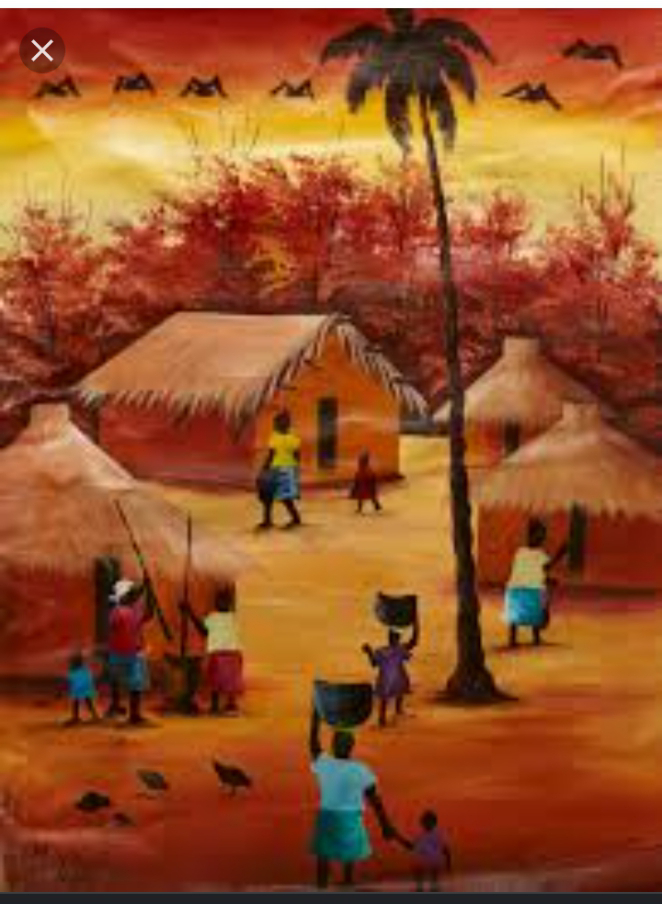
In the peaceful village of Opogo, there lived a kind-hearted young woman named Hadiza. She was known for her generosity and compassion, always ready to lend a helping hand to anyone in need. One day, as she strolled through the lush forest on the outskirts of the village, she stumbled upon a trio of dwarf magicians named Zara, Malik, and Rafiq.

These magical beings, guardians of the enchanted woods, were intrigued by Hadiza’s pure spirit. They appeared before her, their long beards and colorful robes flowing in the breeze. Zara, the eldest, spoke, “Hadiza, your kindness has caught our attention. We offer you three wishes as a token of gratitude for the warmth you bring to Opogo.”

Overwhelmed by their generosity, Hadiza pondered her wishes carefully. She decided to use the first wish for the well-being of her village. With a wave of Zara’s wand, Opogo flourished with prosperity, and the villagers enjoyed a bountiful harvest.

For her second wish, Hadiza selflessly wished for the happiness of her fellow villagers. The dwarf magicians, with a twinkle in their eyes, sprinkled joy and laughter throughout Opogo, making every day a celebration of unity and friendship.

As Hadiza contemplated her final wish, she realized the importance of preserving the magical balance between the village and the enchanted forest. With a determined look, she wished for the protection of the mystical woods and its inhabitants, entrusting the guardianship to Zara, Malik, and Rafiq.

Grateful for Hadiza’s selfless wishes, the dwarf magicians granted her a special gift – a magical amulet that would always guide her back to Opogo in times of need. Hadiza continued to be a beacon of kindness, and her tale, along with the legend of the three dwarf magicians, echoed through the generations, reminding the people of Opogo of the power of selflessness and the magic that lies within the simplest acts of kindness.

Twin love triangle Harmony

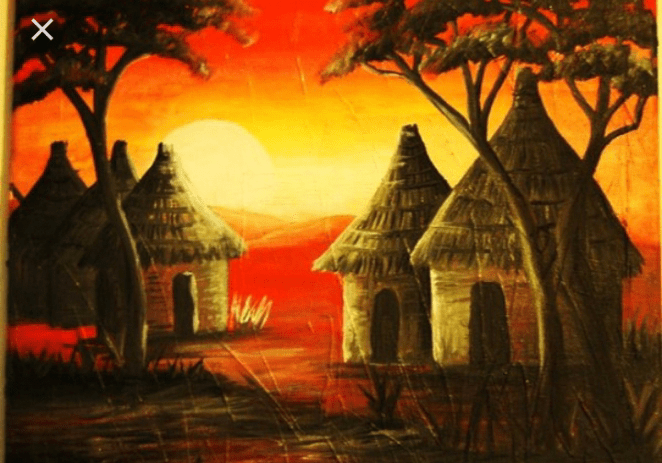
In the tranquil village of Anaba, there lived twin sisters named Jennifer and Jessica. These sisters were not only inseparable but also shared a rare bond that went beyond blood. Their laughter echoed through the village, and their kindness was known far and wide.

Anaba village

One day, a charismatic young man named Kunle arrived in Anaba. His charm and warmth captivated the entire village, including the hearts of Jennifer and Jessica. Both sisters found themselves drawn to Kunle’s presence, but being true to their bond, they decided to keep their feelings a secret from each other.

As days turned into weeks, the village began to notice the silent competition between the sisters for Kunle’s affections. Jennifer and Jessica, oblivious to each other’s feelings, tried to outshine one another with gestures of kindness, beautiful gifts, and heartfelt words in the hope of winning Kunle’s heart.

An elderly woman named Nneka, known for her wisdom, observed the unfolding situation. She decided it was time to intervene and guide the sisters through this delicate situation. Nneka invited Jennifer and Jessica to her humble abode, where the flickering firelight danced on the walls.

Nneka spoke gently, “Dear sisters, I see the love that has blossomed in both your hearts for Kunle. Instead of competing, let me share a tale from our ancestors. Once, in a distant land, there were twin sisters who faced a similar situation. Instead of tearing them apart, their love for each other allowed them to find a unique solution.”

Intrigued, Jennifer and Jessica listened intently as Nneka continued her story. The wise woman spoke of a tradition where the twin sisters, rather than fighting for the affection of the same man, chose to prioritize their sisterhood. They decided to let Kunle choose freely, without causing division between them.

Inspired by the tale, Jennifer and Jessica realized the importance of their sisterly bond. The next day, they approached Kunle and revealed their feelings for him. However, they also made it clear that they valued their sisterhood above all else. Kunle, moved by their honesty and maturity, found a solution that embraced the love he saw in both sisters.

In the end, the village of Anaba celebrated a unique love story that transcended jealousy and rivalry. Jennifer, Jessica, and Kunle lived harmoniously, with a bond that grew stronger each passing day. The tale of the twin sisters of Anaba became a cherished story, passed down through generations, reminding everyone of the enduring power of love and sisterhood.

Apama unity festival

Apama

Once upon a time, nestled in the heart of the mountains, there was a quaint village named Apama. Unique among its characteristics was a curious trait shared by every villager—they all had hunchbacks. Legend had it that many generations ago, a kind spirit had blessed the village with prosperity but also a distinctive hunch as a symbol of unity.

In Apama, the villagers embraced their hunchbacks with pride, considering them a mark of resilience and shared heritage. Among the villagers lived a wise elder named Amara, who possessed the ability to communicate with the spirits. One day, Amara received a vision that foretold a challenge that would test the strength and unity of the Apama villagers.

The village thrived on cooperation, each hunchback contributing their unique skills to ensure the prosperity of the community. However, a shadowy figure named Zara, envious of Apama’s harmony, sought to exploit their distinctive trait for personal gain. Zara spread rumors and sowed discord, attempting to create divisions among the villagers.

Recognizing the threat to their unity, the villagers turned to Amara for guidance. Amara, with her deep connection to the spirits, revealed that only by embracing their differences and working together could they overcome the challenges that lay ahead.

Inspired by Amara’s wisdom, the villagers organized a grand celebration, the Festival of Hunches, where they showcased their individual talents and shared stories of triumph over adversity. The festival became an annual tradition, reinforcing the bonds of the Apama community.

As the Festival of Hunches continued year after year, the shadow of discord faded away. The villagers learned that their hunchbacks were not a burden but a source of strength, symbolizing their shared history and the resilience that defined Apama.

In time, the village prospered even more, and the legend of Apama spread far and wide. Travelers from distant lands marveled at the unity and harmony of the villagers, learning valuable lessons about embracing differences and working together for the greater good.

And so, Apama thrived, its legacy echoing through the mountains, a testament to the power of unity and acceptance in the face of challenges.

Zuma burial tradition change

Once upon a time in the land of the Zuma people, a peculiar tradition prevailed. Instead of burying their deceased, they believed in a practice of consuming the bodies of the departed. This custom had been passed down through generations, shaping the cultural identity of the Zuma.

Zuma people

In the heart of the Zuma village lived a man named Ebuka. Unlike his fellow villagers, Ebuka couldn’t fathom the idea of eating the dead. He found the practice disturbing and believed there must be a more respectful way to honor the departed.

Driven by his conviction, Ebuka embarked on a journey to neighboring villages, seeking wisdom from elders and learning about alternative burial customs. He gathered knowledge about how other communities celebrated the lives of their loved ones without resorting to such drastic measures.

Upon his return, Ebuka shared his newfound insights with the Zuma people. At first, they resisted the change, deeply rooted in their tradition. However, Ebuka’s passionate plea and the wisdom he brought began to sway some hearts.

He proposed a compromise – a ceremonial burial that would still honor the Zuma’s cultural heritage while respecting the dignity of the departed. Over time, the villagers began to see the value in Ebuka’s ideas, realizing that the essence of their tradition could be preserved in a more compassionate way.

With Ebuka’s guidance, the Zuma people gradually shifted their mindset. The community embraced the new burial rituals, incorporating elements of both old and new traditions. Ebuka’s courage to challenge the norm had not only changed the way the Zuma people honored their dead but also opened their minds to the possibility of adapting their customs for the better.

And so, the Zuma village transformed, embracing a more compassionate and respectful approach to bidding farewell to their loved ones. Ebuka’s legacy lived on, not just in the stories told but in the hearts of a people who learned that change, even in the face of long-standing traditions, could bring about a more harmonious and humane way of life.

Jomo talks to spirits

In the quiet village of Anlina, nestled between ancient forests and rolling hills, lived a wise magician named Jomo. Legend had it that Jomo possessed the extraordinary ability to communicate with the spirits of the departed. The villagers revered him, seeking his guidance in times of uncertainty.

One day, a young woman named Lila approached Jomo with a heavy heart. Her brother, a skilled hunter, had mysteriously disappeared in the nearby woods. Desperate for answers, Lila pleaded with Jomo to use his mystical powers to communicate with the spirits and find her brother.

Jomo, with a knowing gaze, agreed to help. As the sun dipped below the horizon, casting long shadows over the village, Jomo prepared for his otherworldly journey. He gathered rare herbs, lit sacred candles, and chanted ancient incantations that echoed through the night.

In the hushed silence, Jomo’s eyes glazed over, and his spirit transcended the physical realm. He ventured into the ethereal realm, guided by the whispers of the wind. There, he encountered the spirits of the departed, seeking the one who could reveal the fate of Lila’s brother.

Amidst the spectral mist, Jomo encountered a wise old spirit named Elara, who held the key to the mystery. Elara spoke of a hidden cave deep within the forest, where the brother had gone in pursuit of a mystical creature rumored to hold the secrets of the universe.

Jomo returned to the village and shared this revelation with Lila, urging caution as she ventured into the heart of the woods. Armed with newfound hope, Lila set forth on her quest, following the guidance provided by the spirit of her brother.

Days later, Lila emerged from the dense forest, her brother by her side. The villagers marveled at the miraculous reunion, grateful for Jomo’s mystical abilities. From that day forward, the tale of Jomo, the wise magician who communed with the dead, became a cherished folktale in Anlina village, a testament to the extraordinary connections between the living and the departed.

Omoreg quote: folktales have many hands.