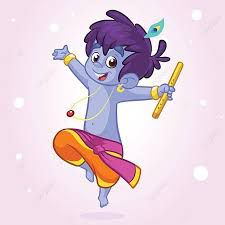
In a small village nestled between rolling hills and lush forests, there lived a humble flute player named Kavi. Kavi possessed a unique gift – he could talk to the rain. From a young age, he discovered his ability to communicate with the gentle drops that fell from the sky. Little did he know that this extraordinary gift would lead him on a path to fight for the freedom of his people.

Generations ago, Kavi’s ancestors had misused their magical abilities, causing turmoil for the peaceful Tatayeri kingdom. As a consequence, Kavi’s people had been enslaved for over two centuries, burdened by the errors of their forefathers. The once vibrant community now lived in the shadows of oppression.
One day, as Kavi played his flute under the vast sky, raindrops began to fall. Instead of the usual pitter-patter, a soft voice echoed in his mind. It was the rain, speaking to him. It shared tales of the past, revealing the mistakes that had led to the enslavement of his people. Empowered by this knowledge, Kavi felt a newfound purpose – to right the wrongs committed by his ancestors.
Driven by the desire for freedom, Kavi embarked on a journey to unite his people. His flute became a symbol of hope, its melodies echoing through the village like a rallying cry. Kavi spoke to the rain regularly, seeking guidance and strength. The rain, in turn, became a steadfast ally in their quest for liberation.
As Kavi and his fellow villagers faced challenges, the rain would respond. Gentle showers would bless their crops, and timely storms would shield them from prying eyes. It was as if the elements themselves were joining their cause. Kavi’s ability to talk to the rain became a beacon of hope for his people, a connection to a force that had been misunderstood for centuries.

Word of Kavi’s extraordinary gift spread beyond the village, reaching the ears of those who yearned for justice. Inspired by his courage, neighboring communities joined the cause. The movement gained momentum, fueled by the harmonious collaboration between Kavi’s flute, the rain, and the people who longed for freedom.
The journey was arduous, with moments of doubt and hardship. Yet, Kavi’s unwavering spirit and the supportive whispers of the rain kept the flame of liberation burning bright. As they approached the heart of the Tatayeri kingdom, Kavi’s flute played melodies that stirred the very essence of nature.
In a climactic encounter, Kavi faced the leaders of the Tatayeri kingdom. His flute played a song that transcended words, echoing the pain and longing of his people. As the rain intensified in response, it became clear that the elements themselves were no longer divided. Kavi’s plea for understanding and forgiveness was heard.
The Tatayeri leaders, moved by the power of music and nature, acknowledged the errors of the past. In a historic moment, they agreed to end the enslavement and work towards building a future of harmony and cooperation. Kavi’s people were finally free, and the rain, which once seemed like a silent observer, became a symbol of unity and reconciliation.
Kavi, the flute player who could talk to rain, became a legendary figure, remembered not only for his musical prowess but also for leading his people to freedom through the healing power of understanding and forgiveness.


















 omoreg