
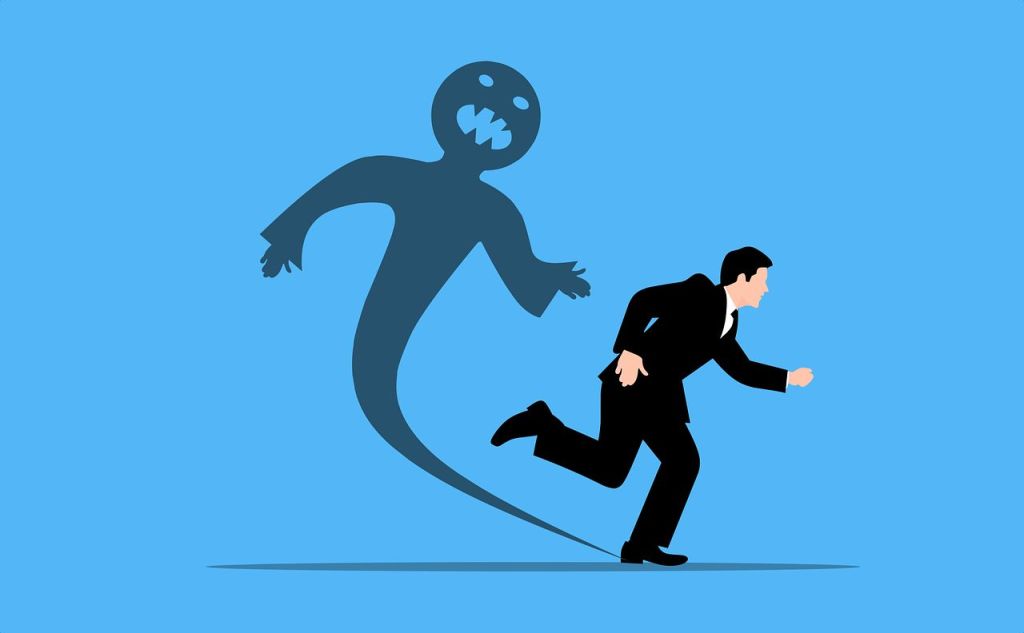
Phobias are intense, irrational fears of specific objects, situations, or activities that pose little to no actual danger. While most people experience fear or discomfort in certain situations, phobias are more severe and persistent, often causing individuals to go to great lengths to avoid their triggers.
Phobias can significantly impact daily life and mental health, but with proper treatment and support, they can be managed and even overcome.What is a Phobia?A phobia is classified as an anxiety disorder. It goes beyond normal fear and anxiety; phobias can cause a person to experience overwhelming panic or terror when faced with the source of their fear. People with phobias may be aware that their fear is irrational, but they feel powerless to control it.
The fear experienced during a phobic episode can lead to physical and emotional symptoms, such as sweating, shaking, rapid heartbeat, or even a panic attack.Phobias can be divided into three broad categories:Specific Phobias: These are fears related to specific objects or situations, such as spiders (arachnophobia), heights (acrophobia), or flying (aviophobia).
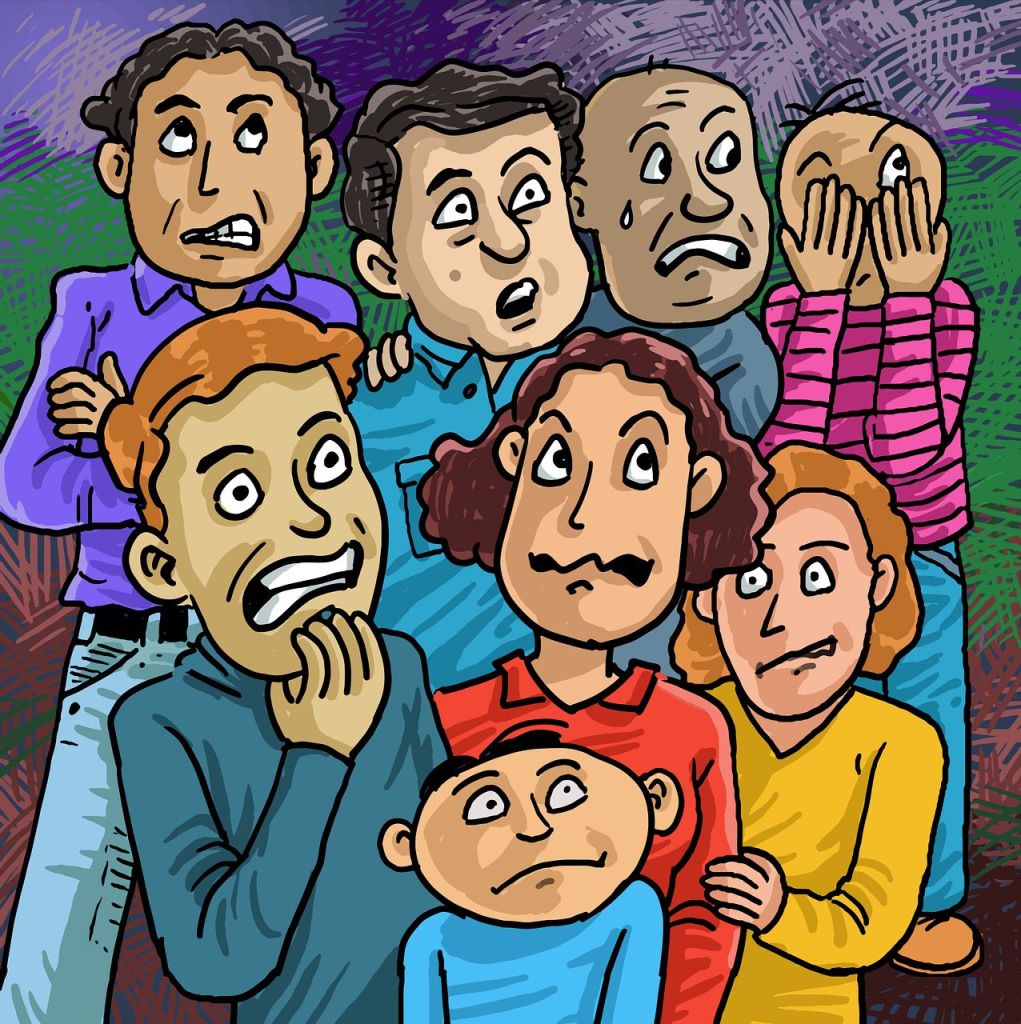
Social Phobia (Social Anxiety Disorder): This type involves an intense fear of social situations, where individuals fear being judged, embarrassed, or humiliated in public.
Agoraphobia: This involves a fear of situations where escape might be difficult or where help might not be available during a panic attack. It often leads to avoidance of public places or open spaces.
Common Types of PhobiasPhobias are highly individualized, and people can develop a fear of almost anything. However, some phobias are more common than others:Acrophobia (fear of heights): People with acrophobia may avoid tall buildings, mountains, or even staircases.
The fear can be so intense that it triggers dizziness or panic when looking down from a height.Claustrophobia (fear of confined spaces): Individuals with claustrophobia often fear elevators, small rooms, or crowded places. This fear can lead to avoidance of situations where they feel “trapped.”Arachnophobia (fear of spiders): One of the most well-known phobias, arachnophobia, can cause extreme distress at the sight or thought of spiders, even if they are harmless.
Trypanophobia (fear of needles): This is the fear of medical procedures involving injections or needles. For people with trypanophobia, even necessary medical treatment can be difficult or traumatic.

Bend towards what deserves your space and time
Feel safe in the arms of true love
Download for free
Click the link below 👇
Bending towards love
Bend dont break love awaits
https://shorturl.at/qMtFu (canada)
https://shorturl.at/0xHxZ ( usa)
https://shorturl.at/QTMFQ (ng)
Ophidiophobia (fear of snakes): Similar to arachnophobia, ophidiophobia is an intense fear of snakes, often leading to an aversion to places where snakes might live.
Aviophobia (fear of flying): Many people experience discomfort with flying, but aviophobia is a more extreme fear that can prevent individuals from traveling by air entirely.
Social Phobia (social anxiety disorder): People with social phobia fear social situations where they may be scrutinized or judged by others. This can make everyday activities like attending school, work, or social gatherings challenging.
Causes of Phobias
Phobias can develop due to a combination of genetic, environmental, and psychological factors. The causes of phobias are complex and vary from person to person, but some common contributors include:Traumatic Experiences: A negative or frightening experience related to the object or situation may trigger a phobia. For example, being bitten by a dog as a child can lead to a lifelong fear of dogs.Learned Behavior: Children can develop phobias by observing the fears of others, especially parents or close family members.
If a parent has a strong fear of heights, for example, a child may develop the same fear.Genetic Predisposition: Some research suggests that phobias may run in families, indicating a genetic component. Individuals with a family history of anxiety or other mental health disorders may be more susceptible to developing phobias.
Brain Chemistry: Phobias are linked to the brain’s regulation of fear and anxiety. An imbalance in neurotransmitters or heightened activity in areas of the brain responsible for fear may contribute to the development of phobias.Childhood Development: Some phobias develop in early childhood and may be related to normal fears that have persisted into adulthood or have become exaggerated over time.
Symptoms of Phobias
Phobias can produce both physical and emotional symptoms. These reactions occur when a person encounters the source of their fear or even anticipates being in a situation involving their phobia. Symptoms of phobia may include:Physical Symptoms:Rapid heartbeat or palpitationsShortness of breath or hyperventilationSweating or tremblingDizziness or lightheadednessNausea or upset stomachChest pain or tightnessChills or hot flashes
Emotional Symptoms:Intense feelings of dread or panicOverwhelming desire to escape or avoid the feared object or situationFeeling detached or “unreal”Loss of control or feeling powerlessAnticipatory anxiety (fear of encountering the phobia in the future)These symptoms can vary in intensity depending on the severity of the phobia and the proximity to the source of fear. In extreme cases, phobias can trigger panic attacks, where the fear becomes so intense that the individual feels as though they are in immediate danger.
Impact of Phobias on Daily LifePhobias can have a profound impact on a person’s quality of life. In severe cases, they can interfere with daily activities, work, school, and relationships. For example, someone with agoraphobia may avoid leaving their home, while a person with social phobia may withdraw from social situations, leading to isolation. Phobias can also cause individuals to miss out on opportunities, such as traveling, pursuing a career, or engaging in enjoyable activities.
The emotional toll of living with a phobia can lead to feelings of embarrassment, frustration, or hopelessness. Phobias are often misunderstood by others, which can result in a lack of support or understanding from family and friends.Treatment for PhobiasThe good news is that phobias are highly treatable.
Many individuals can manage or even overcome their phobias with professional help. Some of the most effective treatments include:Cognitive Behavioral Therapy (CBT): CBT is one of the most widely used therapies for treating phobias. It helps individuals identify and change negative thought patterns and behaviors that reinforce their fears. Through gradual exposure to the feared object or situation, individuals can learn to confront their phobias in a controlled, supportive environment.
Exposure Therapy: This form of therapy involves gradually exposing the individual to their fear in a safe and controlled setting. The goal is to desensitize them to the source of fear, reducing their anxiety over time. Exposure therapy is often used as part of CBT and can be highly effective for specific phobias.
Medication: In some cases, medications such as antidepressants or anti-anxiety drugs may be prescribed to help manage the symptoms of phobias. While medication is not a cure, it can provide relief from severe anxiety and panic, making therapy more effective.
Relaxation Techniques: Techniques such as deep breathing, meditation, and mindfulness can help individuals manage the physical symptoms of anxiety and panic attacks triggered by phobias.
Support Groups: Connecting with others who have similar experiences can provide emotional support and reduce feelings of isolation. Sharing coping strategies and learning from others can also be helpful in managing phobias.
Overcoming Phobias: Hope and ResilienceLiving with a phobia can be challenging, but it’s important to remember that you’re not alone, and help is available. With the right combination of therapy, support, and self-care, many people are able to conquer their fears and lead fulfilling lives.
Early intervention is key, so if a phobia is affecting your daily life, seeking professional help is the first step toward overcoming it.While facing your fears may seem daunting, the journey to overcoming a phobia often leads to greater confidence, resilience, and a sense of empowerment.
Conclusion
Phobias are intense fears that can disrupt lives and cause significant distress, but they are highly treatable. Whether a person is dealing with a specific phobia or a more complex condition like social anxiety or agoraphobia, the path to recovery starts with understanding and confronting the fear. With the right support and treatment, individuals can break free from the grip of phobias and regain control over their lives.

 omoreg