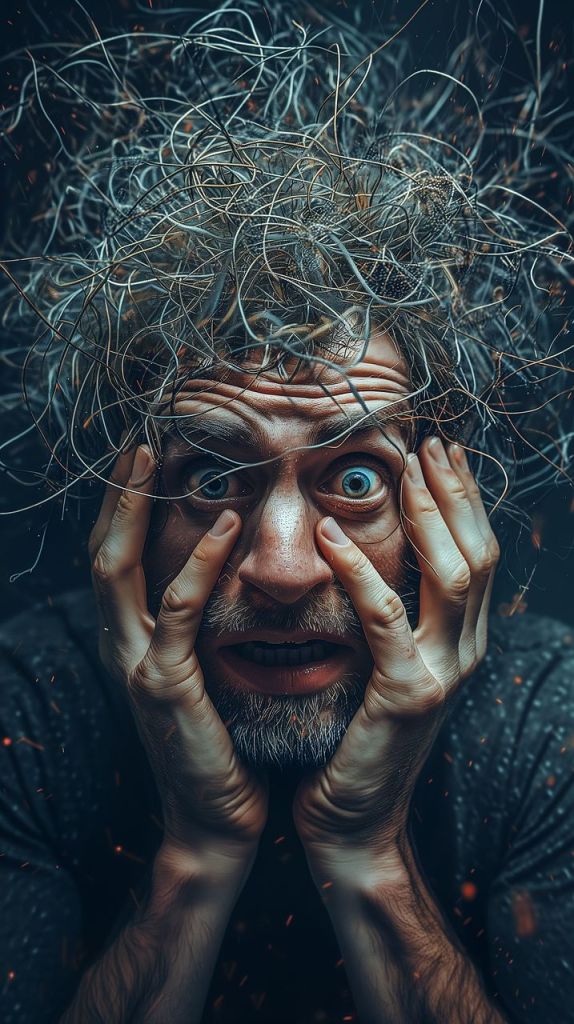
Depression is a serious mental health condition that affects millions of people worldwide. It goes beyond the typical sadness or “feeling down” and can have profound impacts on a person’s emotions, thoughts, and daily functioning.
While it can affect anyone at any point in life, depression is often misunderstood, leading to stigma and isolation for those experiencing it. Understanding the condition, recognizing its symptoms, and knowing how to seek help are crucial steps toward managing depression and improving mental well-being.

What is Depression?Depression, also known as major depressive disorder (MDD), is a mental health condition characterized by persistent feelings of sadness, hopelessness, and a loss of interest in activities once enjoyed. It is more than just a fleeting period of sadness; it can last for weeks, months, or even years without proper treatment.
Depression affects how a person feels, thinks, and handles daily tasks, and it can interfere with work, relationships, and overall health.
Symptoms of DepressionThe symptoms of depression can vary from person to person, but the most common signs include:Persistent Sadness or Emptiness: Feeling sad or empty for most of the day, nearly every day, even when there seems to be no specific cause for these feelings.
Bending towards love
Bend dont break love awaits
https://shorturl.at/qMtFu (canada)
https://shorturl.at/0xHxZ ( usa)
https://shorturl.at/QTMFQ (ng)
Loss of Interest in Activities: A decreased interest or pleasure in activities once enjoyed, including hobbies, socializing, or even simple daily tasks.
Changes in Appetite or Weight: Significant weight loss or gain unrelated to dieting, or a noticeable change in appetite (either eating too much or too little).
Sleep Disturbances: Trouble sleeping, including insomnia or oversleeping, is a common symptom. People with depression may feel fatigued despite getting enough rest.Fatigue or Loss of Energy: A lack of energy and constant tiredness can make even small tasks feel overwhelming.
Feelings of Worthlessness or Guilt: Intense feelings of guilt or worthlessness, often related to past actions or perceived failures.Difficulty Concentrating: Trouble focusing, making decisions, or remembering details can interfere with work or personal responsibilities.Physical Aches and Pains: Depression can manifest physically, causing headaches, digestive problems, or unexplained aches and pains.
Thoughts of Death or Suicide: In severe cases, depression can lead to thoughts of death, dying, or suicide. It is important to take any talk of suicide seriously and seek immediate help if someone is at risk.
Causes of DepressionDepression does not have a single cause; it often results from a combination of biological, psychological, and environmental factors.
Genetics: A family history of depression or other mental health disorders can increase the likelihood of developing depression.Brain Chemistry: Imbalances in neurotransmitters (brain chemicals such as serotonin and dopamine) play a significant role in regulating mood.
These imbalances can lead to depression.Hormonal Changes: Hormonal shifts, such as those that occur during pregnancy, postpartum, menopause, or thyroid issues, can trigger depression.
Trauma and Stress: Life events such as the death of a loved one, abuse, financial problems, or job loss can contribute to depression. Ongoing stress, particularly if it goes unmanaged, can also heighten the risk.
Chronic Illness or Pain: People dealing with chronic physical conditions such as cancer, heart disease, or chronic pain are more likely to experience depression, especially if their condition leads to isolation or diminished quality of life.
Substance Abuse: Alcohol and drug use can contribute to or worsen depressive symptoms. In some cases, people with depression may turn to substances to cope with their feelings, which can create a vicious cycle of worsening symptoms.
Types of DepressionThere are several types of depression, each with unique characteristics:Major Depressive Disorder (MDD): The most common form, characterized by severe, long-lasting symptoms that interfere with daily life.
Persistent Depressive Disorder (PDD): A milder form of depression that lasts for two years or more. It’s also known as dysthymia and is often less intense but can have a profound impact over time.
Postpartum Depression: A form of depression that occurs after childbirth, affecting a mother’s ability to care for herself and her baby.Seasonal Affective Disorder (SAD): Depression that occurs during certain seasons, often during winter months when there is less natural sunlight.Bipolar Disorder: While not a form of depression, bipolar disorder involves episodes of depression along with periods of mania or elevated mood.
Seeking Help and Treatment for DepressionDepression is treatable, and with the right combination of approaches, individuals can manage their symptoms and regain a sense of well-being.
Treatment often involves one or more of the following:Therapy: Cognitive-behavioral therapy (CBT), interpersonal therapy (IPT), and psychodynamic therapy are common forms of talk therapy used to treat depression.
Therapy helps individuals understand their thoughts, emotions, and behaviors, and provides coping mechanisms to manage their symptoms.Medication: Antidepressants, particularly selective serotonin reuptake inhibitors (SSRIs) like Prozac or Zoloft, are often prescribed to help regulate mood.
Medications work differently for everyone, and finding the right one may take time.Lifestyle Changes: Regular exercise, a healthy diet, and adequate sleep can improve mood and overall mental health. While these changes alone may not cure depression, they are important for maintaining long-term well-being.
Support Systems: Building a strong support network of friends, family, or support groups can make a significant difference. People with depression benefit from feeling understood, supported, and not alone.Mindfulness and Stress Reduction: Practices such as meditation, yoga, and deep breathing exercises can help reduce stress and improve emotional regulation, helping individuals manage their depression.
Electroconvulsive Therapy (ECT): In severe cases where other treatments have not been effective, ECT may be recommended. This procedure involves electrical stimulation of the brain to relieve depressive symptoms.Removing the StigmaUnfortunately, depression is still surrounded by stigma, which prevents many individuals from seeking help. Depression is a medical condition, not a personal failing or weakness. Raising awareness about depression and promoting open conversations can reduce the stigma and encourage more people to seek the treatment they need.
Conclusion
Depression is a serious mental health condition, but it is treatable with the right combination of therapy, medication, and lifestyle adjustments.
Understanding the symptoms and causes of depression is the first step in helping yourself or a loved one who may be struggling. If you or someone you know is experiencing depression, it’s essential to reach out to a mental health professional. With support, people can manage their depression and regain control of their lives.

 omoreg