Once upon a time in the land of the Zuma people, a peculiar tradition prevailed. Instead of burying their deceased, they believed in a practice of consuming the bodies of the departed. This custom had been passed down through generations, shaping the cultural identity of the Zuma.
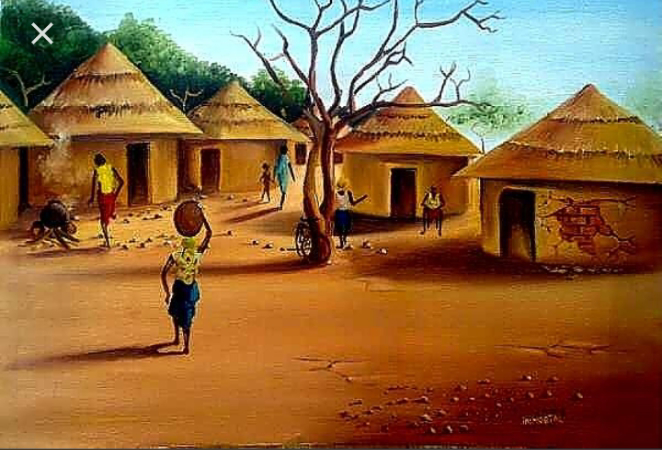
In the heart of the Zuma village lived a man named Ebuka. Unlike his fellow villagers, Ebuka couldn’t fathom the idea of eating the dead. He found the practice disturbing and believed there must be a more respectful way to honor the departed.
Driven by his conviction, Ebuka embarked on a journey to neighboring villages, seeking wisdom from elders and learning about alternative burial customs. He gathered knowledge about how other communities celebrated the lives of their loved ones without resorting to such drastic measures.
Upon his return, Ebuka shared his newfound insights with the Zuma people. At first, they resisted the change, deeply rooted in their tradition. However, Ebuka’s passionate plea and the wisdom he brought began to sway some hearts.
He proposed a compromise – a ceremonial burial that would still honor the Zuma’s cultural heritage while respecting the dignity of the departed. Over time, the villagers began to see the value in Ebuka’s ideas, realizing that the essence of their tradition could be preserved in a more compassionate way.
With Ebuka’s guidance, the Zuma people gradually shifted their mindset. The community embraced the new burial rituals, incorporating elements of both old and new traditions. Ebuka’s courage to challenge the norm had not only changed the way the Zuma people honored their dead but also opened their minds to the possibility of adapting their customs for the better.
And so, the Zuma village transformed, embracing a more compassionate and respectful approach to bidding farewell to their loved ones. Ebuka’s legacy lived on, not just in the stories told but in the hearts of a people who learned that change, even in the face of long-standing traditions, could bring about a more harmonious and humane way of life.

 omoreg